2026 Top Smart Hotel Trends What Should Buyers Know
As the hospitality industry rapidly evolves, understanding the emerging trends in Smart Hotels becomes crucial for buyers. By 2026, the Smart Hotel market is projected to experience significant growth. According to a recent market report, the global smart hospitality market is expected to reach USD 1.15 billion by 2025. This increase is driven by the integration of technology aimed at enhancing guest experiences and operational efficiency.
Smart Hotels leverage IoT devices, mobile apps, and AI to offer personalized service. Guests can control room features using their smartphones, enhancing convenience. Yet, implementing these technologies poses challenges. Many hotels face issues with cybersecurity, data privacy, and the integration of new systems with existing infrastructure. This highlights a need for ongoing training and evaluation.
Investors and providers must remain informed about these trends. Consumer expectations are shifting towards more tech-driven services. However, adapting to these changes requires strategic planning. As Smart Hotels continue to redefine the guest experience, industry stakeholders must prioritize innovation while addressing the inherent risks that come with advanced technology.
2026 Smart Hotel Trends: An Overview for Buyers
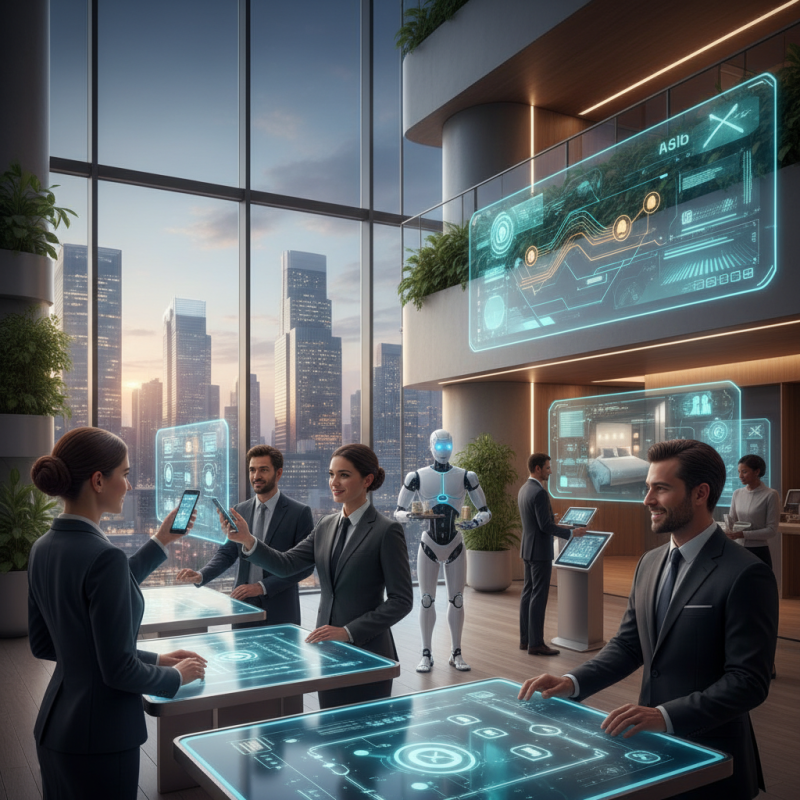
In the evolving landscape of smart hotels, buyers need to be aware of key trends shaping the industry. The integration of advanced technology into the guest experience is paramount. Automation in check-in and room controls becomes essential. Guests value touchless interactions to enhance safety and convenience. Smart room features, such as lighting and climate control, can adapt to individual preferences.
Sustainability is another crucial element. Hotels are exploring eco-friendly practices, from energy-efficient appliances to waste reduction strategies. Buyers should consider how property designs prioritize green technologies.
Additionally, the emphasis on data analytics will help hotels personalize services. Understanding guest behaviors through AI can create more tailored experiences.
Challenges persist in the implementation process. A significant investment is often needed to upgrade existing infrastructure. Additionally, staff training is vital for harnessing new technologies. Some properties may struggle with incorporating these innovations effectively. Buyers should reflect on their readiness to adapt in a fast-paced market.
Key Technologies Shaping Smart Hotels in 2026
As we move into 2026, smart hotels are embracing transformative technologies. Automation is at the forefront, reshaping guest experiences. Personalized room settings can now adjust temperature and lighting based on preferences, enhancing comfort. Voice-activated controls simplify interactions, allowing guests to make requests effortlessly.
However, not all innovations are seamless. Some aspects of automation may not work as intended. Guests sometimes find themselves confused by overly complex systems. Additionally, reliance on technology raises security concerns. Protecting guest data must be a priority. Strong security measures will help maintain trust.
Integration of Artificial Intelligence (AI) will play a significant role in managing hotel operations. AI algorithms can predict demand and optimize pricing in real-time. This reduces costs and improves service efficiency. Yet, too much reliance on AI could lead to lost personal touch. Balancing technology with human interaction remains crucial. Ultimately, the best smart hotels will be those that effectively integrate technology while ensuring genuine guest connections.
Sustainable Practices in Smart Hotel Design
Sustainable practices are redefining smart hotel design. These practices focus on reducing environmental impact while improving guest experience. Incorporating renewable energy sources is a key consideration. Hotels can install solar panels or use wind power to offset energy consumption. This not only lowers costs but also enhances the hotel's eco-friendly appeal.
Water conservation is another significant aspect. Smart hotels utilize low-flow fixtures and greywater recycling systems. These measures help hotels save resources and reduce operational expenses. Guests appreciate staying in a facility committed to sustainability. This commitment can also lead to positive word-of-mouth promotion.
Tips: Regular audits can help in identifying areas for improvement. Consider using smart technologies to monitor energy and water usage. Partnering with sustainability consultants may provide deeper insights into best practices. Shifting towards sustainable practices may pose challenges but offers long-term benefits. Reflecting on the impact of design decisions is essential for continuous improvement.
Guest Experience Innovations in Smart Hotels
The guest experience is rapidly evolving in smart hotels. Innovations are making stays more enjoyable and tailored. Think of voice-activated controls, app-based services, and advanced room automation. These tools enhance comfort and convenience. Guests can set the perfect mood with smart lighting. They can adjust room temperatures with their phones. Such features empower guests, but they also come with complexities.
While technology improves experiences, not all guests embrace it. Some may feel overwhelmed by too many choices. Others might find reliance on tech impersonal. Balancing automation with human touch poses a challenge. Personal interactions still matter, especially in hospitality. Ensuring staff is trained to assist with tech is crucial. Smart hotels must value guest feedback for continuous improvement.
Privacy remains a key concern. Guests want assurance that their data is secure. Transparent practices boost trust. Regular engagement can identify issues early. Smart hotels need to refine their approach based on guest sentiment. Adapting to these trends will shape the future of guest experiences.
Future-Proofing: Investment Strategies for Smart Hotel Buyers
As the hospitality industry evolves, understanding smart hotel trends is crucial for investors. Future-proofing investments involves adopting technology that enhances guest experiences while also being cost-effective. Smart hotels are increasingly utilizing IoT devices, AI-driven services, and contactless technologies. These innovations attract modern travelers.
Tips for buyers: Consider investing in energy management systems. These systems not only save costs but also appeal to eco-conscious guests. Moreover, examine integration capabilities of technology. Ensure the systems can work together seamlessly. This can prevent costly upgrades down the line.
It's essential to stay updated on emerging technologies. However, not every trend will suit your hotel's specific needs. Assess what fits your brand and clientele. Avoid following trends blindly. Some innovations may require significant training for staff. This can lead to disruptions if not managed well.