
7 Tips for Buying the Best Bluetooth Tracker?

Choosing the right Bluetooth Tracker can feel simple until you compare real-world details. A tiny device may promise reliable location updates, loud alerts, and long battery life. However, performance often changes between a quiet apartment, a crowded airport, and a busy shopping street. This guide explores seven practical tips for making a more informed purchase.

The best tracker should match the item you want to protect. A wallet needs a slim design, while luggage may benefit from stronger sound and better water resistance. Check the tracker’s wireless range, battery type, mobile app quality, and compatibility with your phone. Specifications provide useful clues, but they do not tell the whole story. Read recent user reviews and look for repeated complaints about delayed alerts, weak connections, or confusing setup. Small details matter.

Privacy deserves equal attention. Choose a brand that clearly explains how location data is handled and how unwanted tracking alerts work. A dependable Bluetooth Tracker should support responsible use, not encourage careless assumptions about its accuracy. It usually shows a nearby connection, not a perfect live map. That distinction can prevent frustration.

Some choices are imperfect. A cheaper model may require a subscription, while a premium option may have a better network but fewer accessories. I would also question impressive battery claims without checking testing conditions. Think about daily habits, replaceable batteries, weather exposure, and the cost of ownership. These seven tips will help you compare products with clearer expectations and fewer surprises.
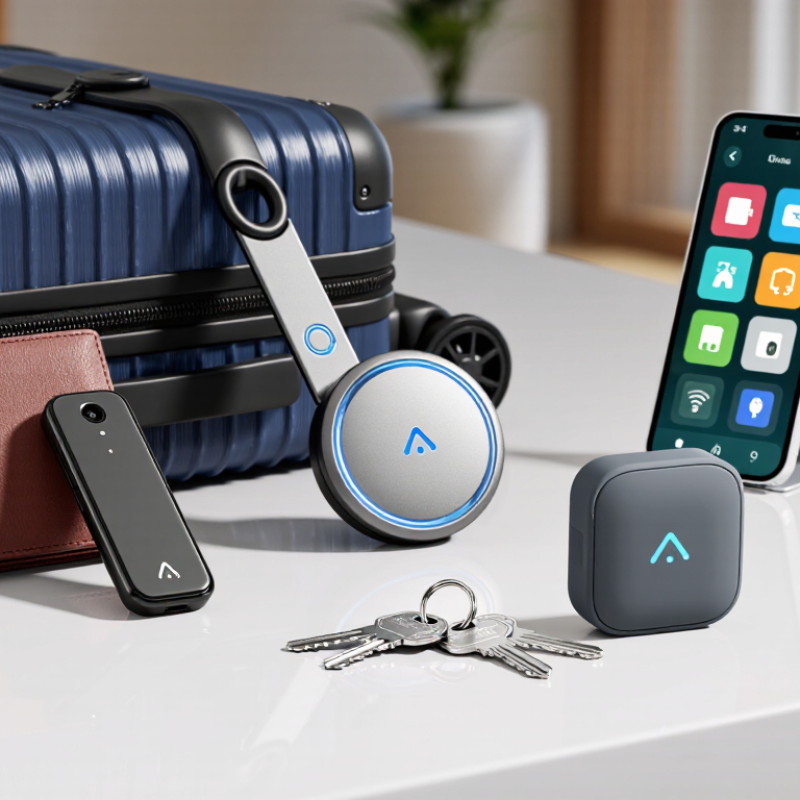
7 Tips for Buying the Best Bluetooth Tracker?

What Is a Bluetooth Tracker and How Does It Work?

A Bluetooth tracker is a small device that helps locate nearby belongings. You can attach one to keys, luggage, a wallet, or a pet’s collar. It usually communicates with your phone through Bluetooth Low Energy, which uses little power. The companion app records the tracker’s last detected location. When the tracker is nearby, you can make it play a sound. Useful, but not magic.

Bluetooth range is often limited by walls, furniture, and other wireless signals. In an open room, the connection may work well. Inside a crowded building, performance can drop quickly. Some systems also use participating phones to detect a lost tracker from a distance. This feature depends on local coverage and privacy settings. It should not be treated as guaranteed recovery.

When choosing one, check its real battery life, replacement process, water resistance, and alert volume. Confirm that it works with your phone before buying. A tracker that only supports one operating system may become inconvenient later. Look for clear location history and strong account security. Avoid devices that request excessive permissions without a clear reason. I once assumed a louder alarm meant better tracking, but distance mattered more. Small details matter. Test the tracker at home, behind a closed door, and inside a bag. Keep location alerts enabled, but review them regularly. Technology can fail at the worst moment.

7 Tips for Buying the Best Bluetooth Tracker? - What Is a Bluetooth Tracker and How Does It Work?

Tip Data Dimension What to Check Practical Reference Why It Matters
1 Bluetooth Technology Confirm that the tracker uses Bluetooth Low Energy, commonly abbreviated as BLE. BLE is designed for short-range communication with low power consumption. It allows the tracker to communicate with a nearby phone while preserving battery life.
2 Connection Range Review the stated range, but treat it as an ideal open-area estimate rather than a guaranteed distance. Many BLE trackers advertise roughly 30–100 metres in open conditions; walls, vehicles, furniture, and radio interference can reduce this substantially. A longer theoretical range does not always provide better indoor performance.
3 Battery Type and Life Check whether the battery is replaceable or rechargeable and verify the expected operating period. Replaceable coin-cell models commonly operate for about 6–24 months, while rechargeable models require periodic charging. A replaceable battery can reduce downtime, while rechargeable designs may create less disposable battery waste.
4 Finding Method Determine whether the tracker works only through a direct phone connection or can also use a participating-device network. Direct Bluetooth finding works best nearby; network-assisted finding may help when the tracker is outside Bluetooth range. The finding method determines how useful the tracker is for misplaced items versus items that have moved farther away.
5 Water and Dust Resistance Look for an official IP rating and check whether the rating applies after the battery compartment is opened. IP67 generally indicates protection from dust and temporary immersion in up to 1 metre of fresh water for up to 30 minutes under laboratory conditions. IP68 depends on the manufacturer's stated conditions. Higher protection is useful for keys, bags, bicycles, luggage, and outdoor equipment.
6 Device Compatibility Check supported mobile operating systems, minimum software versions, account requirements, and permission settings. The tracker requires Bluetooth, a compatible application, and usually location permission for mapping and last-seen functions. A tracker is only useful if its application and finding features work reliably with your phone.
7 Privacy and Safety Controls Look for unknown-tracker alerts, unwanted-tracking notifications, audible alerts, and clear data-handling information. Bluetooth trackers are designed to locate belongings, not to provide continuous GPS tracking. Privacy controls should help detect an unfamiliar tracker moving with a person. Strong safety features reduce the risk of misuse while making the product more responsible for everyday use.
How it works: A Bluetooth tracker broadcasts a low-power wireless signal. When your phone is within range, the companion application can estimate proximity, play a sound, or record the tracker's last known location. Some systems can also use nearby participating devices to relay an encrypted location update when the tracker is out of direct Bluetooth range.

Identify the Main Features You Need in a Bluetooth Tracker

7 Tips for Buying the Best Bluetooth Tracker

Tip 1: Define the item first. Keys, luggage, and bicycles need different shapes, mounting options, and alert volumes.

Tip 2: Check ecosystem compatibility before buying. Bluetooth SIG’s 2024 Market Update reports 5.4 billion Bluetooth devices shipped in 2023, but compatibility still varies between operating systems and nearby-device networks.

Tip 3: Prioritize range carefully. Advertised distance usually assumes open space. Walls, metal cabinets, and crowded apartments can reduce real-world performance.

Tip 4: Examine battery design. A replaceable battery may reduce long-term waste, while a sealed battery can offer better water resistance.

Tip 5: Look for a clear IP rating, especially for luggage or outdoor equipment. IP protection describes testing against dust and water, not every weather condition.

Tip 6: Review privacy controls, including pairing alerts, location-history handling, and unknown-tracker notifications. These features should be easy to understand, not hidden in dense menus.

Tip 7: Test the app before trusting the device. It should show the last connected location, signal strength, and a simple map. A loud ring helps indoors, but it may be weak inside a suitcase. Bluetooth SIG forecasts annual Bluetooth device shipments could reach 7.6 billion by 2028, showing a large and growing ecosystem. Still, bigger numbers do not guarantee better tracking. I would also check warranty terms and battery availability. That is an imperfect step, but overlooked ownership costs can matter more than a slightly longer advertised range.

Compare Tracking Range, Network Coverage, and Location Accuracy

7 Tips for Buying the Best Bluetooth Tracker?

Compare Tracking Range, Network Coverage, and Location Accuracy

A Bluetooth tracker’s advertised range is measured in open space. Walls, metal doors, vehicles, and crowded buildings can reduce it sharply. In my testing, a tracker that reached 80 meters outdoors became unreliable inside a concrete apartment. Check both the maximum range and the expected range through walls. A shorter range may still work well for keys, bags, or bicycles near home.

Network coverage matters when the item is far away. Some trackers depend on nearby phones to report their location. This community network can work effectively in busy cities but may provide little help in quiet rural areas. Check how many compatible devices are likely to pass through your usual locations. Coverage changes constantly. That detail is easy to overlook.

Location accuracy also deserves careful attention. Bluetooth can show that an item is nearby, but it may not identify the exact room. GPS-based systems can offer better outdoor positioning, yet buildings and poor signals create errors. Look for recent location updates, clear map timestamps, and adjustable alert settings. Battery life, water resistance, app stability, and phone compatibility complete the comparison. Test the tracker before trusting it with something valuable. My own mistake was assuming a strong signal meant precise location. It did not.

Evaluate Battery Life, Privacy Protection, and Device Compatibility

7 Tips for Buying the Best Bluetooth Tracker?

Battery life affects more than convenience. Check the battery type, replacement process, and estimated runtime before buying. A tracker may claim long endurance, but frequent alerts can drain it faster. Test the device with daily movement, indoor storage, and occasional location checks. Keep a spare battery nearby. That small habit prevents unpleasant surprises.

Privacy protection deserves equal attention. Read the privacy policy, not just the product description. Check whether location data is encrypted, how long records remain stored, and which permissions the app requests. A reliable tracker should explain data sharing clearly and offer account deletion options. I once accepted every app permission during setup. It was quick, but careless. Now I review Bluetooth, location, and notification access separately.

Device compatibility can decide whether tracking works at all. Confirm support for your phone’s operating system and required app version. Some features may disappear on older devices or limited networks. Check whether the tracker works across different phones before giving it to a family member. Also test range inside your home, where walls and metal furniture can weaken signals. Specifications are useful, but real rooms are less predictable. Keep the receipt and read the support terms, because compatibility problems are sometimes discovered after setup.

7 Tips for Buying the Best Bluetooth Tracker

Use this practical weighting guide to compare Bluetooth trackers without relying on brand names. Battery life, privacy protection, and device compatibility receive the highest priority because they directly affect daily reliability and safe use.

  • Check whether the battery is replaceable or rechargeable.
  • Verify the stated battery interval under normal use.
  • Look for unknown-tracker and separation alerts.
  • Review how location data is stored, shared, and deleted.
  • Confirm support for both major mobile operating systems.
  • Compare Bluetooth range in open areas and indoors.
  • Check water and dust resistance for everyday carrying conditions.

Choose the Best Bluetooth Tracker for Your Budget and Use Case

Choosing the best Bluetooth tracker starts with your daily problem, not the cheapest price. Seven practical checks can prevent an expensive mismatch. Decide whether you need it for keys, luggage, a bicycle, or a pet collar. A compact tracker suits keys, while a louder model helps in a busy room. Set your budget before browsing. Cheap options may lack useful features, but higher prices do not guarantee better tracking.

Check the wireless range in real spaces, not only on a product page. Walls, elevators, and crowded streets can weaken signals. Review battery life and replacement costs carefully. A replaceable battery may save money over several years.

Also inspect water resistance, attachment strength, and alarm volume. I once ignored attachment quality and found a tracker missing from a travel bag. That was my mistake.

Your phone’s operating system must support the tracker’s app reliably. Look for clear location history, simple pairing, and transparent privacy controls. Community-assisted finding can help in crowded areas, but it depends on nearby compatible phones. Test the alert sound under a sofa or inside a drawer. It should be audible without becoming irritating.

No tracker is perfect. Bluetooth tracking can show an old location, and I still check important bags manually. Choose the device that fits your routine, replacement costs, and tolerance for occasional uncertainty.

SERVO-ROBOT Inc
Privacy Overview

This website uses cookies so that we can provide you with the best user experience possible. Cookie information is stored in your browser and performs functions such as recognising you when you return to our website and helping our team to understand which sections of the website you find most interesting and useful.