
What is Ai Powered Toys and How Can They Benefit Kids?

In recent years, the market has seen a surge in Ai Powered Toys. These innovative toys leverage artificial intelligence to enhance children's playtime. They not only entertain but also promote learning and development. Imagine a toy that adapts to a child's learning pace. It can respond to questions, offer guidance, and even engage in storytelling.

Ai Powered Toys can foster creativity and problem-solving skills. They encourage kids to think critically and explore their environment. However, there are concerns about screen time and over-reliance on technology. Parents must balance these toys with traditional play. The goal is to create a well-rounded play experience.

As we delve deeper, we will explore the benefits and potential drawbacks of Ai Powered Toys. The integration of technology in play is exciting yet complex. It is essential to find a middle ground where children can benefit without losing touch with reality. Each child's experience will vary, and reflection on these differences is crucial for informed choices.
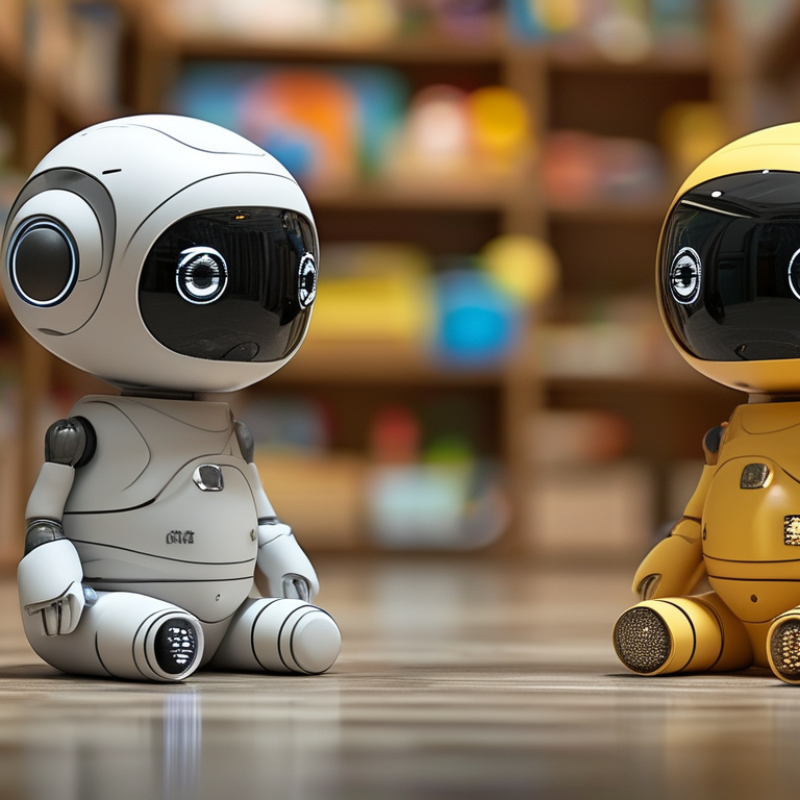
What is Ai Powered Toys and How Can They Benefit Kids?

Definition of AI Powered Toys and Their Functionality

AI powered toys are transforming how children play and learn. These innovative toys use artificial intelligence to interact intelligently with kids. They can recognize speech, respond to questions, and adjust their behavior based on a child's mood or needs. This functionality makes playtime not just fun but also educational.

For example, an AI toy might read stories and ask children questions about them. This enhances comprehension and critical thinking skills. The toys can also encourage creativity by suggesting new games or activities based on what they've learned about a child’s preferences.

Tip: Choose toys that foster engagement without overwhelming your child. Limit screen time during play. AI toys are valuable, yet too much reliance on technology may hinder imagination.

Moreover, children develop social skills through interaction with these toys. AI powered toys mimic conversations, providing children with practice in communication. This can be especially beneficial for those who struggle with social cues or language.

However, it’s essential to reflect on the balance between tech play and traditional toys. Traditional play fosters hands-on skills and interpersonal interaction.

Tip: Mix AI toys with classic options. This can create a well-rounded play experience. Always monitor your child's engagement with technology.

Types of AI Powered Toys Available in the Market

AI-powered toys are becoming increasingly popular. They offer interactive experiences that enhance learning and play. There are various types of AI-powered toys available today. Each type serves a specific purpose.

Robotic toys are a prominent category. They can respond to voice commands and perform tasks. Children can learn programming concepts through these toys. This hands-on approach encourages creativity.

Interactive dolls are another interesting option. They can engage in conversations, adapting to children's emotions. This feature fosters emotional intelligence.

Educational games also fall under this category. They use AI to personalize learning. By adapting to a child’s level, they make learning enjoyable.

However, not all toys are perfect. Some children may find them too complex. Others may prefer traditional play. Reflecting on these aspects can help parents make informed choices. Balancing technology and traditional play is essential.

Benefits of AI Powered Toys for Children's Development

AI powered toys offer numerous benefits for children's development. These innovative toys engage kids in interactive learning experiences. They can adapt to a child's skill level, providing personalized challenges. For instance, a robotic toy might adjust its difficulty based on the child's responses. This helps maintain engagement while fostering essential problem-solving skills.

Moreover, AI powered toys enhance social skills. Many toys encourage collaborative play, promoting communication among peers. A child can learn to share, negotiate, and empathize while playing together. However, reliance on technology can sometimes hinder face-to-face interactions. It's important for parents to balance screen time with real-world activities.

Creativity is another crucial aspect. AI toys often inspire imaginative play, allowing children to explore new ideas. A toy that responds to a child's storytelling can spark vibrant narratives. Yet, there is a risk of over-stimulation. Children might find it more challenging to create without tech guidance. Continuous reflection on these impacts will help optimize the benefits of AI powered toys.

What is Ai Powered Toys and How Can They Benefit Kids? - Benefits of AI Powered Toys for Children's Development

Dimension Description Benefits
Cognitive Development AI powered toys engage children's brains through interactive learning. Enhances problem-solving skills and critical thinking.
Emotional Intelligence These toys can adapt to the child's emotional responses, providing personalized feedback. Helps children understand their own emotions and develop empathy.
STEM Learning Toys that incorporate coding and robotics to teach fundamental STEM concepts. Encourages interest in science, technology, engineering, and math fields.
Creativity Interactive elements encourage imaginative play and storytelling. Fosters creative thinking and innovation.
Social Skills Many AI toys can be played in groups, encouraging cooperation and sharing. Promotes teamwork and communication skills.

Safety and Ethical Considerations in Using AI Powered Toys

AI-powered toys have revolutionized the way children learn and play. However, safety and ethical concerns must be addressed. For instance, a recent study from the International Society for Technology in Education indicates that nearly 40% of parents worry about their child's data privacy when using smart toys. This statistic highlights the pressing need for robust data protection measures.

Moreover, AI toys can engage children uniquely, but they must be designed thoughtfully. Reports show that toys with AI functionalities might expose children to inappropriate content if not correctly filtered. This necessitates strict guidelines and continuous monitoring of AI algorithms. Parents should be educated on how to use these toys responsibly and be aware of potential risks.

Equally important is acknowledging the potential for bias in AI outputs. A report by the Brookings Institution found that AI systems can unintentionally reinforce stereotypes. This raises questions about the ethical implications of using AI for child development. Creating an inclusive, safe play environment is essential.

Future Trends in AI Powered Toys and Their Impact on Playtime

AI-powered toys represent a significant evolution in children's play. These intelligent toys encourage imaginative play while adapting to a child's individual needs. They can respond to a child's voice, adjust learning levels, and engage in interactive storytelling. This personalization makes playtime more meaningful.

Looking ahead, trends in AI toys suggest a deeper integration of technology into everyday life. Enhanced capabilities could facilitate social learning, as children interact with both friends and AI. However, this raises questions about the balance between screen time and physical play. There's a potential risk of over-reliance on digital interactions, which might limit hands-on explorations.

Parental guidance will be vital as these toys evolve. Educators and parents must navigate the balance. Some toys may become too advanced, leading to confusion rather than engagement. Careful attention is needed to ensure that technology supports, rather than replaces, traditional play. The impact on child development must be continuously evaluated as we embrace these innovations.

SERVO-ROBOT Inc
Privacy Overview

This website uses cookies so that we can provide you with the best user experience possible. Cookie information is stored in your browser and performs functions such as recognising you when you return to our website and helping our team to understand which sections of the website you find most interesting and useful.