Top 10 Benefits of 3D Vision Systems for Robots?

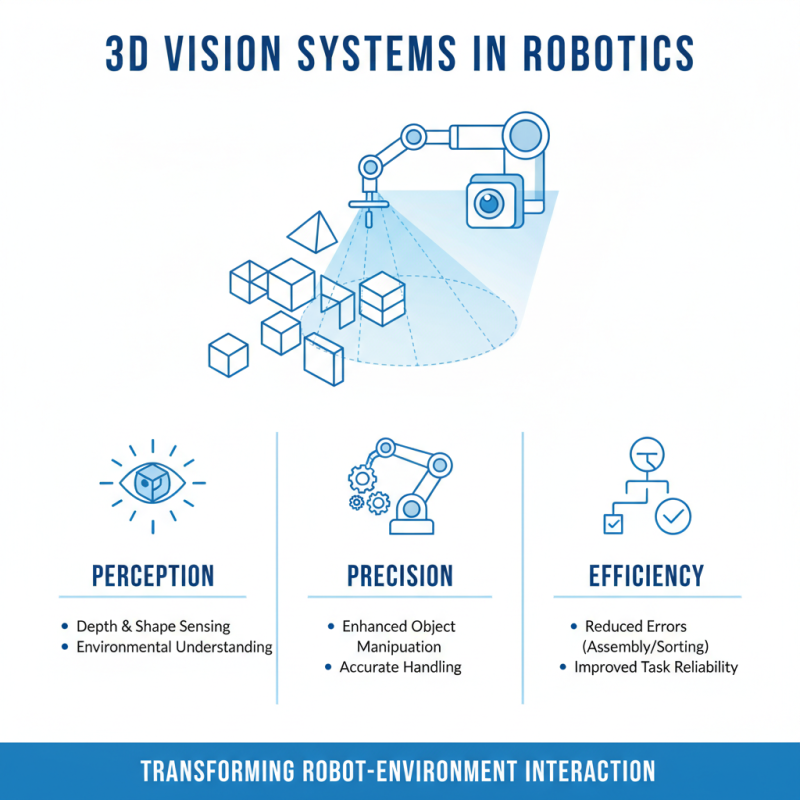
3D vision systems for robots are revolutionizing how machines interact with their environment. These technologies enable robots to perceive depth and spatial relationships more accurately than ever before. With better perception, robots can navigate complex surroundings and execute tasks with precision. This not only enhances efficiency but also reduces the risk of errors during operations.

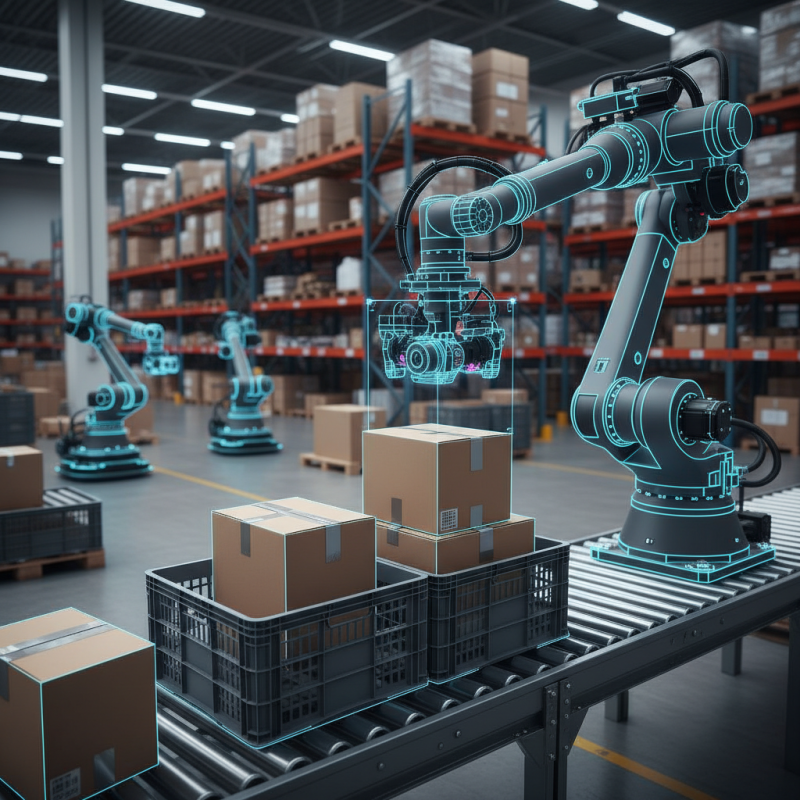
Consider a warehouse where robots must identify and handle various items. 3D vision systems for robots allow them to distinguish between objects based on size and shape. This capability leads to improved sorting and inventory management. However, despite their advantages, these systems can be complex to implement. Calibration challenges can lead to inaccuracies, prompting continuous refinement and adjustments.

Moreover, 3D vision systems do not guarantee success in all scenarios. There are limitations in certain lighting conditions or reflective surfaces that may confuse sensors. Organizations must weigh the benefits against these potential drawbacks. Overall, while these systems hold great promise, careful consideration is necessary to fully harness their capabilities.
Top 10 Benefits of 3D Vision Systems for Robots?

Overview of 3D Vision Systems in Robotics

3D vision systems are transforming robotics in remarkable ways. These systems enable robots to perceive their environment in three dimensions. They use cameras and sensors to gather depth information, creating a more accurate understanding of surroundings. This technology allows robots to navigate and manipulate objects effectively.

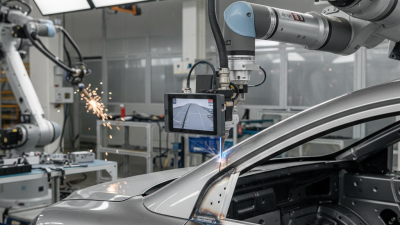
For instance, in a manufacturing setting, a robotic arm equipped with 3D vision can detect the precise position of parts. It can adjust its movements based on real-time data, significantly enhancing task efficiency. However, not all systems perform perfectly. Sometimes, lighting conditions can affect accuracy. Robots can struggle with depth perception in poorly lit areas.

Furthermore, creating a robust 3D vision system requires advanced programming. This can lead to challenges in integration with existing robotic systems. It often demands significant time and resources for proper calibration. Despite these hurdles, the potential benefits are impressive. Enhanced object recognition and navigation can lead to increased automation levels in various industries. Exploring these benefits is crucial for the future of robotics.

Top 10 Benefits of 3D Vision Systems for Robots

Benefit Description
Enhanced Depth Perception Allows robots to accurately gauge distances and sizes of objects in their environment.
Improved Object Recognition Enables robots to identify objects based on 3D shapes rather than just 2D images.
Increased Flexibility Robots can adapt to varying environments and tasks without extensive reprogramming.
Enhanced Automation Streamlines processes by enabling robots to perform complex tasks with minimal human intervention.
Better Safety 3D vision systems can help avoid obstacles and reduce accidents in dynamic environments.
Higher Precision Allows for more accurate placement and manipulation of objects, which is crucial in many applications.
Cost Efficiency Reduces the need for expensive sensors and devices, optimizing overall system costs.
Faster Processing Advanced algorithms enable quicker decision-making and response times.
Enhanced Data Collection Improves the capability for gathering data on environmental conditions and object characteristics.
Innovation Potential Facilitates the development of new applications and technologies in robotics.

Enhanced Object Recognition Capabilities

Three-dimensional (3D) vision systems significantly enhance the object recognition capabilities of robots. These systems provide depth perception, allowing robots to understand their surroundings better. They can differentiate between objects based on shape, size, and distance, enabling more precise interactions. For instance, a robot can identify a red ball in a cluttered environment with greater accuracy than a 2D system.

The ability to recognize objects in three dimensions opens new possibilities. Robots can navigate complex spaces and manipulate items more effectively. This technology is crucial in manufacturing and logistics. However, challenges remain. 3D vision systems may struggle with transparent or reflective surfaces. Additionally, lighting conditions can impact performance. As the technology advances, further refinement is required.

The balance between accuracy and efficiency is vital for practical applications. These imperfections highlight areas for ongoing research.

Improved Precision in Object Manipulation

Top 10 Benefits of 3D Vision Systems for Robots?

3D vision systems have transformed the way robots interact with their environment. These advanced systems improve precision in object manipulation significantly. Robots equipped with 3D vision can perceive depth and shape, allowing for more accurate handling of various objects. This capability reduces the likelihood of errors during tasks, such as assembly or sorting.

However, implementing 3D vision is not without its challenges. Systems can struggle with reflections or complex background patterns. Sometimes, objects appear distorted or misplaced. This can lead to mistakes in grasping and placing items. Developers must continuously refine algorithms to enhance accuracy. There’s also the need for extensive training data to ensure systems work effectively in diverse settings.

The precision gained from 3D vision systems can lead to increased efficiency and productivity in factories. When robots operate with pinpoint accuracy, they reduce waste and save time. Yet, relying too heavily on technology can create problems. Overdependence may lead to a lack of human oversight and critical thinking. Balancing automation with human judgment is essential for optimal outcomes.

Increased Operational Efficiency and Speed

Top 10 Benefits of 3D Vision Systems for Robots?

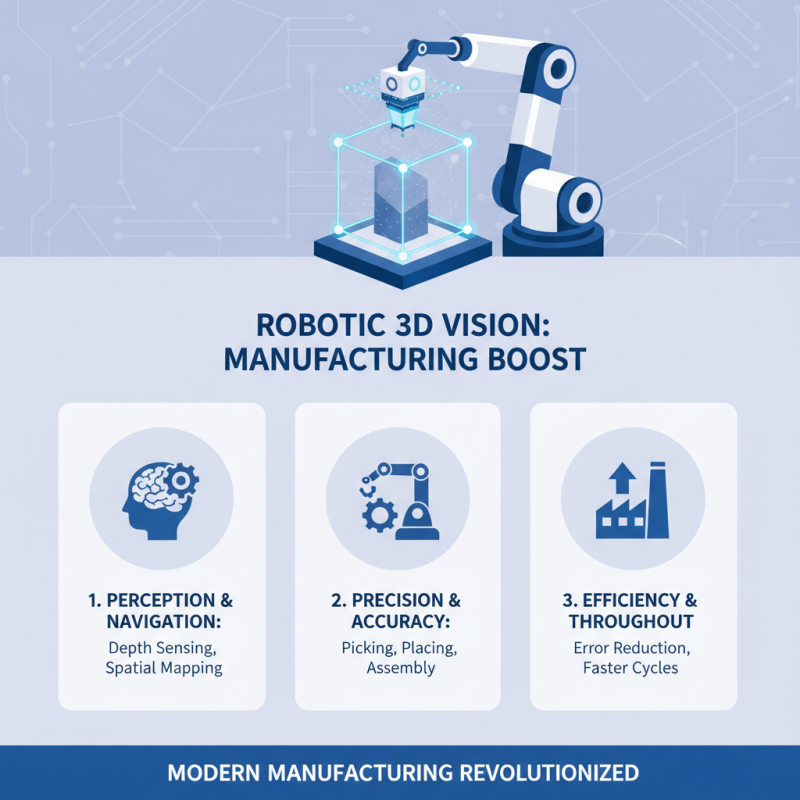
In modern manufacturing, robots equipped with 3D vision systems significantly enhance operational efficiency and speed. These systems perceive depth and spatial relationships, allowing robots to navigate complex environments smoothly. They improve accuracy during tasks like picking, placing, and assembling. When integrated into production lines, they minimize errors and increase throughput.

One tip for maximizing the effectiveness of 3D vision systems is to ensure proper calibration. Regular adjustments can prevent misalignment that may slow down operations. Another vital aspect is the training of operators. When the team understands how to interpret the data, they can make quicker decisions, leading to increased productivity.

However, it's essential to acknowledge the learning curve involved. Not every deployment is flawless. Some robots may struggle with specific tasks, requiring fine-tuning. Ongoing assessment of performance can highlight areas for improvement. Embracing these challenges can pave the way for achieving seamless automation.

Real-time Data Processing and Decision Making

3D vision systems are transforming robotics with real-time data processing. This technology allows robots to perceive their environment in three dimensions. According to a recent industry report, 70% of companies using 3D vision systems have reported improved efficiency. Robots can now make faster decisions. They analyze visual data instantly, reducing response time to less than one second.

However, not all implementations are flawless. The accuracy of data processing can be influenced by lighting conditions and surface textures. In some cases, there were discrepancies in object detection, leading to errors. A study indicated that 15% of robots faced challenges in complex environments. Processing power is also a concern. While many systems are advanced, they require robust hardware to function optimally.

The need for continuous improvement is evident. Robots equipped with 3D vision must adapt to new scenarios. Real-time decision-making is a game changer, but there's room for enhancement. As the industry evolves, refining these systems will be crucial for maximizing their potential in various applications.

Top 10 Benefits of 3D Vision Systems for Robots

3D vision systems enhance robotic capabilities by providing real-time data processing and decision-making abilities. The following chart illustrates the key benefits and their significance.

SERVO-ROBOT Inc
Privacy Overview

This website uses cookies so that we can provide you with the best user experience possible. Cookie information is stored in your browser and performs functions such as recognising you when you return to our website and helping our team to understand which sections of the website you find most interesting and useful.