What is the Best CNC Controller for Your Needs?
Choosing the right CNC controller can be a daunting task. With so many options, finding the perfect fit for your needs is crucial. A CNC controller is the heart of any machining setup, guiding the equipment with precision and efficiency. This decision can impact your project outcomes significantly.
Understanding your specific requirements is essential. Are you working with wood, metal, or plastic? Every material necessitates a different approach. Additionally, your budget plays a vital role. A higher investment often brings advanced features, but it doesn’t always guarantee better results. Balancing cost with capability is key.
With the right CNC controller, you can enhance your productivity and creativity. Look for user-friendly interfaces and compatibility with various software. However, remember that no controller is perfect. Each has its strengths and weaknesses. Investing time in research can lead to better investment choices in the long run.
Understanding CNC Controllers and Their Functions
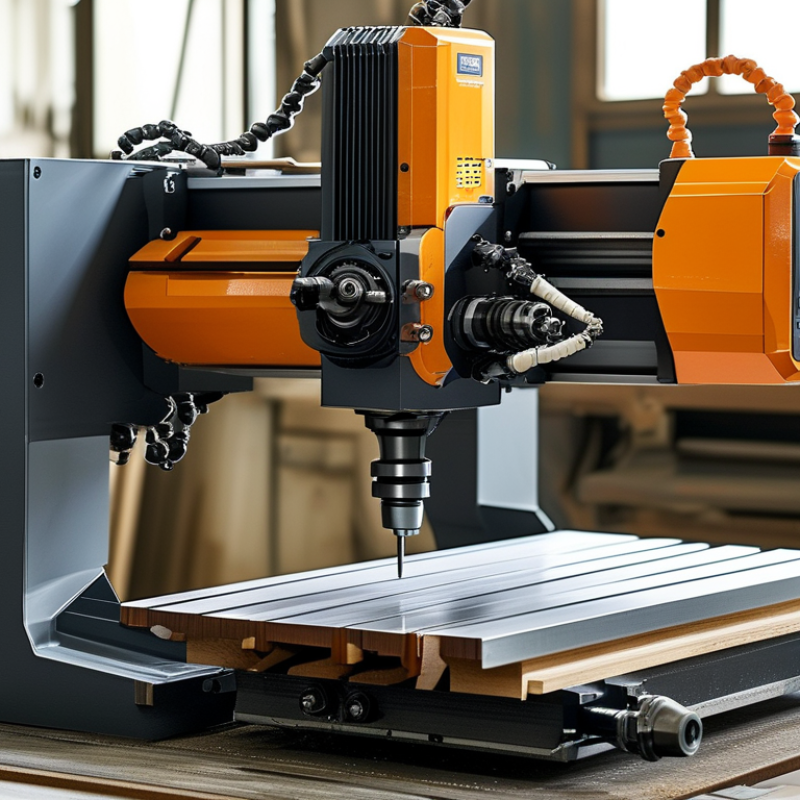
CNC controllers play a critical role in modern manufacturing. They act as the brain behind the machines, translating digital designs into precise physical movements. This function is crucial in industries such as aerospace and automotive, where precision is paramount. According to a report by MarketsandMarkets, the global CNC machine market is poised to reach $117 billion by 2025, indicating a growing reliance on advanced controllers.
Understanding the functions of CNC controllers is vital. They can streamline processes, enhance productivity, and reduce error rates. Notably, a survey by Technavio reveals that automation technologies can enhance productivity by up to 30%. However, with many options available, selecting the right controller is a challenge. Factors like ease of use, compatibility, and performance vary widely.
While some controllers excel in integration and user interface, others may offer a broader range of functionalities. Users often report difficulties in adapting to new systems. These adaptation challenges highlight the importance of training and support. The choice of a CNC controller can dramatically influence operational efficiency and output quality. Each manufacturing environment has unique needs, making the selection process critical.
Types of CNC Controllers: Open-Source vs. Proprietary
Choosing the right CNC controller can be a daunting task. There are two main types: open-source and proprietary. Open-source controllers offer flexibility. Users can modify the software to suit their specific needs. This is great for those with programming skills. However, it can be overwhelming for beginners. The community support is often helpful, but not always reliable.
Proprietary controllers, on the other hand, offer a more user-friendly experience. They come with dedicated customer support. This can be a huge advantage for users who prefer a guided approach. Yet, they are often more expensive. Customization options are limited, which can frustrate advanced users. The choice depends on individual needs and skills. Some may prefer control, while others seek simplicity. Each type has its pros and cons, with no clear winner.
Key Features to Consider When Choosing a CNC Controller
When selecting a CNC controller, several key features deserve careful consideration. A controller's compatibility with various software greatly influences its versatility. According to a recent industry report, 75% of users prioritize software integration in their choice. This ensures seamless operation across different machinery types. Additionally, look for controllers that support multiple axis control. A controller capable of managing at least 4-5 axes is generally recommended for advanced applications.
Next, assess the user interface. An intuitive and user-friendly interface can significantly enhance productivity. Roughly 60% of operators report higher efficiency when utilizing straightforward controls. Tip: Test the controller’s interface before purchasing. A brief hands-on trial can reveal potential challenges.
Reliability and support are also crucial aspects. Investigating the support resources available can provide peace of mind. Many experienced CNC operators emphasize the importance of technical support. Sometimes, controllers come with limited documentation which may not cover all scenarios. Tip: Verify if online forums or professional communities can assist you if needed. Being connected with other users can make a difference in troubleshooting.
Comparison of Key Features in CNC Controllers
Assessing Your CNC Project Needs and Requirements
When embarking on a CNC project, understanding your specific needs and requirements is crucial. According to a recent survey by the Association for Manufacturing Technology, nearly 70% of CNC users reported that choosing the right controller significantly impacts efficiency. Your project's complexity, the materials involved, and desired precision will all dictate which CNC controller suits you best.
Consider the types of projects you'll undertake. For detailed work, like intricate designs, you may require advanced features such as adaptive control systems. Conversely, basic manufacturing tasks may only need a simpler setup. Research indicates that 55% of users underestimate the importance of software capabilities, leading to potential revisions and increased costs.
Additionally, assess your technical expertise. Some controllers are user-friendly, designed for operators with minimal training, while others need advanced knowledge. In fact, 40%% of CNC users express challenges with software integration. Understanding these differing levels of complexity can prevent frustration later. Your choice will ultimately shape your project's success.
Top CNC Controller Brands and Popular Models to Explore
Choosing the right CNC controller can feel overwhelming. Numerous brands and models flood the market, each boasting various features. A deep dive into popular options can simplify this journey. Look at user reviews and community insights to gauge reliability and support.
Some brands stand out due to their consistent performance. They offer user-friendly interfaces, making the learning curve less steep for beginners. Models featuring robust software capabilities often receive praise. When evaluating these brands, consider not just the specs but also the community support. Engaging with forums can unveil hidden gems and potential drawbacks.
Exploring different models can lead to discoveries. Some controllers shine in precise applications, while others excel in versatility. It's important to identify your specific needs first. This helps narrow your choices. Remember, the best controller is one that aligns with your project goals and budget constraints. Balancing these factors means no single option is perfect, so reflection is key.