
What Is the Best Energy Storage System in 2026?

What Is the Best Energy Storage System in 2026? The answer depends on duration, location, safety, and operating purpose. A battery beside a solar farm may need four hours of discharge. A remote microgrid may value long cycle life more than peak power. There is no universal winner.

The International Energy Agency reported that battery storage additions reached nearly 42 GW globally in 2023, more than doubling from the previous year. Its Net Zero Roadmap also indicates that global storage capacity must expand sharply before 2030. BloombergNEF’s Global Energy Storage Outlook highlights continuing growth in lithium-ion systems, while pointing to emerging opportunities for flow batteries and other long-duration technologies. These figures show momentum, but they do not eliminate practical trade-offs.

“Energy storage is the Swiss Army knife of the clean energy transition,” said Jason Burwen, a recognized energy-storage policy expert and former chief executive of the U.S. Energy Storage Association. The comparison is useful, although imperfect. A Swiss Army knife cannot replace every tool, and one Energy Storage System cannot solve every grid problem. Lithium iron phosphate batteries offer strong safety and falling costs, yet they still depend on supply chains and careful thermal management. Flow batteries can support longer discharge periods, but their larger footprints may complicate project design. This guide examines performance, lifecycle cost, resilience, recycling, and real operating conditions. The best choice may look less impressive on a specification sheet. It may simply keep the lights on during a four-hour evening peak.
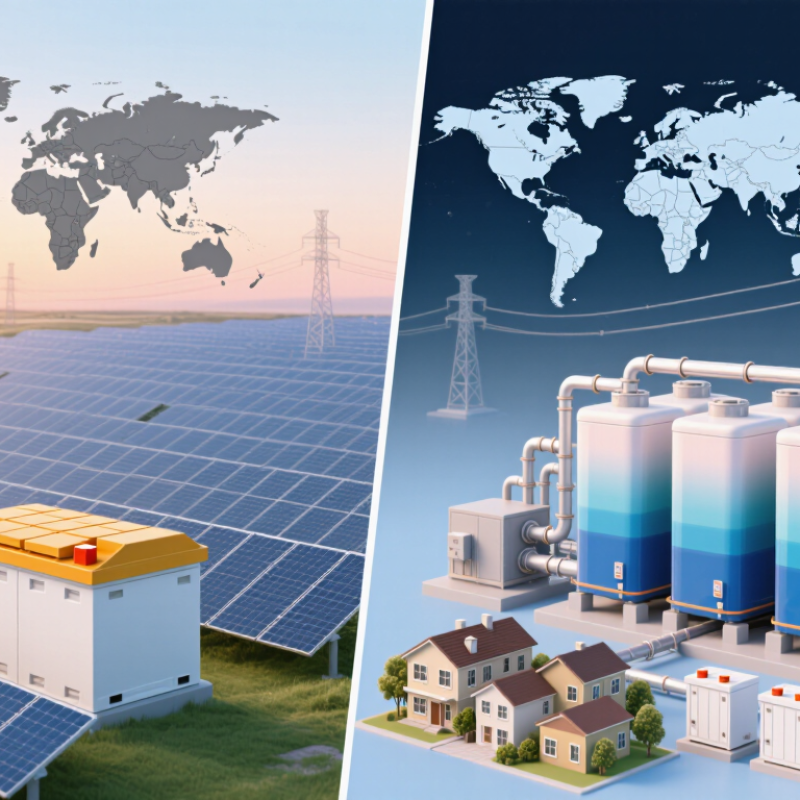
What Is the Best Energy Storage System in 2026?

What Defines the Best Energy Storage System in 2026

What Defines the Best Energy Storage System in 2026

The best energy storage system is not simply the one with the largest battery. It must deliver safe, predictable power under changing conditions. In practical evaluations, round-trip efficiency matters, but usable capacity matters more. A battery may advertise high capacity yet reserve part of it for protection. That difference affects real household or facility savings.

Safety begins with stable chemistry, strong thermal controls, and accurate monitoring. Each module should report temperature, voltage, and unusual current changes. Clear maintenance records also build trust. A reliable system should support independent testing, transparent performance data, and realistic warranty terms. Cybersecurity now deserves equal attention. Connected controls can improve response, but weak access protection creates avoidable risks.

Flexibility defines value in 2026. The system should work with solar generation, variable tariffs, backup loads, and future equipment. It should respond quickly without sacrificing battery life. Easy component replacement can reduce downtime and electronic waste. Recycling plans matter too. No system wins every situation. A rural site may need long-duration storage, while an apartment may prioritize quiet operation and compact design. I would not judge performance from laboratory figures alone. A spreadsheet can miss winter losses, installation limits, or user habits.

The better question is simple: can the system remain safe, useful, and affordable after years of daily decisions?

How Leading Energy Storage Technologies Work

The best energy storage system in 2026 depends on the grid task. Lithium-ion batteries respond within milliseconds, making them effective for frequency control, solar shifting, and short evening peaks. The U.S. Energy Information Administration reported that utility-scale battery capacity in the United States reached about 21.5 GW in 2024. Deployment is accelerating.

Lithium-ion stores energy efficiently, but heat, fire protection, and degradation require careful engineering. The International Energy Agency reported that battery storage costs fell by about 90% between 2010 and 2023. That decline improved project economics, although installation costs remain site-specific. A battery beside a dusty substation faces different risks from one inside a controlled building.

Pumped-storage hydropower still provides long-duration capacity, often for eight hours or more. It uses water and elevation, not electrochemical cells. Construction can take years, and suitable geography is limited. Flow batteries separate power capacity from energy capacity, which may help projects requiring longer discharge periods. Lazard’s Levelized Cost of Storage analysis shows that costs vary widely by duration, financing, and operating conditions. The numbers are useful, but not absolute.

Thermal storage can support industrial heat and electricity systems, while sodium-ion technology may reduce dependence on critical minerals. It remains less proven at large scale. The overlooked question is operational reality: cycling frequency, ambient temperature, maintenance access, and end-of-life treatment. A cheaper system can perform poorly when its assumptions are wrong.

Key Criteria for Comparing Energy Storage Systems

What Is the Best Energy Storage System in 2026?

Key Criteria for Comparing Energy Storage Systems

The best energy storage system depends on the site, load profile, climate, and safety requirements. A household needing evening power may value fast response and compact installation. A factory may need long-duration storage during grid interruptions. Compare usable capacity, not only the advertised battery size. Round-trip efficiency also matters because energy is lost during charging and discharge. In practical assessments, I would review hourly electricity data from at least twelve months. This reveals seasonal demand that a single bill can hide.

Safety should guide every comparison. Check thermal management, monitoring functions, emergency isolation, and compliance with recognized electrical standards. Examine the expected cycle life under real operating temperatures. A system rated for many cycles may perform differently in a hot, poorly ventilated room. Installation space matters too. Maintenance access, noise, water exposure, and future expansion deserve careful attention. The cheapest purchase price is rarely the complete cost. Include installation, software, inspections, replacement parts, and end-of-life handling.

Tips: Ask for independently verified performance data. Request clear warranty conditions. Compare cost per usable kilowatt-hour over the expected service life. Test how the system responds to partial loads. Do not ignore poor winter performance. I would also leave some capacity unused, although this reduces immediate savings. That trade-off needs honest review. No system is perfect.

Which Storage Systems Fit Different Energy Needs

What Is the Best Energy Storage System in 2026?

The best storage system depends on the energy need, not the technology label. A suburban home may need a compact battery for evening demand and short outages. Its system should support safe indoor installation, simple controls, and enough capacity for essential loads. A battery can run lights, refrigeration, internet equipment, and a heat pump overnight. Oversizing it may waste money and usable space.

Commercial buildings often need peak shaving and backup during brief grid interruptions. Lithium-based systems offer fast response, high efficiency, and a relatively small footprint. However, operators must examine temperature control, fire separation, maintenance access, and battery degradation. A lower purchase price can hide replacement costs. That matters.

Long-duration needs require a different view. Flow batteries may suit facilities needing repeated discharge for many hours. They can separate power capacity from stored energy, but their tanks and pumps require more space. Pumped hydropower and compressed-air systems can support large grids, yet they depend on suitable geography and major infrastructure. Thermal storage can be practical where cooling or industrial heat matters more than electricity.

A useful assessment starts with four questions: How many hours are required? How often will the system cycle? What happens during a cloudy week? Who will maintain it? Round-trip efficiency matters, but it should not dominate every decision. Safety standards, local permits, noise, water use, and end-of-life planning deserve equal attention. My early comparisons focused too heavily on capacity. Real projects taught me that installation limits and operating habits can change the answer.

What Is the Best Energy Storage System in 2026?

Which storage systems fit different energy needs?

Lithium-ion batteries are well suited to fast-response applications and daily shifting over several hours. Pumped hydro and compressed-air storage are better for large-scale, long-duration energy shifting, while flow batteries can support frequent cycling with flexible discharge duration. Thermal storage is particularly suitable when the stored energy will be used directly for heating or cooling.

Values are representative technology-level figures based on commonly reported ranges from the U.S. Department of Energy and the International Renewable Energy Agency. Actual performance varies by system design and operating conditions.

How to Choose an Energy Storage System in 2026

Choosing an energy storage system in 2026 starts with the load, not the battery label. A home needing evening backup has different requirements from a workshop running motors. Review hourly electricity data, peak demand, outage length, and available installation space. A 10 kWh unit may cover lights and refrigeration, yet fail during a heat pump startup. Small details matter. Measure before comparing prices.

Compare usable capacity, continuous power, round-trip efficiency, expected cycle life, and degradation guarantees. Usable capacity is not the advertised capacity. Ask how performance changes at 5°C or 40°C, and whether thermal controls are included. Safety needs practical verification, including enclosure rating, ventilation, fire detection, shutdown access, and documented testing. Local electrical rules and grid-interconnection requirements must guide the design. Qualified installers should provide calculations, permits, commissioning records, and a clear maintenance plan.

For daily solar shifting, high cycling capability may matter more than maximum power. For emergency backup, reserve controls and reliable islanding become critical. Hybrid systems can reduce equipment, but their controls may be harder to troubleshoot. Also price replacement modules, software support, disposal, and insurance impacts. The cheapest quote can become expensive after capacity fades. No checklist is perfect. Weather, tariffs, and household habits change. Leave some headroom, then revisit the design after real operating data arrives.

SERVO-ROBOT Inc
Privacy Overview

This website uses cookies so that we can provide you with the best user experience possible. Cookie information is stored in your browser and performs functions such as recognising you when you return to our website and helping our team to understand which sections of the website you find most interesting and useful.