Best Robotic Plasma Cutting Solutions for Your Manufacturing Needs?

In today’s competitive manufacturing landscape, efficiency is paramount. Robotic plasma cutting emerges as a game-changing technology. Manufacturers seek precision and speed. The seamless integration of robotic systems enhances productivity. This technology allows for intricate designs and clean cuts on various materials.

A key advantage of robotic plasma cutting is its adaptability. It can be programmed for different tasks, improving flexibility on the shop floor. However, some businesses struggle to maximize its potential. There can be a learning curve associated with new equipment. Additionally, maintenance and operation require skilled personnel.

Investing in the right robotic plasma cutting solution can yield significant returns. It's not just about the machines; it's about understanding the processes. Manufacturers must evaluate their specific needs. Finding the best technology requires research and reflection. All these factors are vital for making an informed decision.
Best Robotic Plasma Cutting Solutions for Your Manufacturing Needs?

Overview of Robotic Plasma Cutting Technology

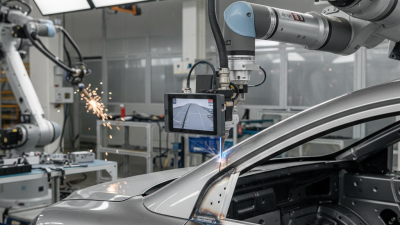
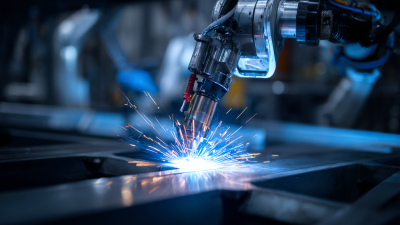
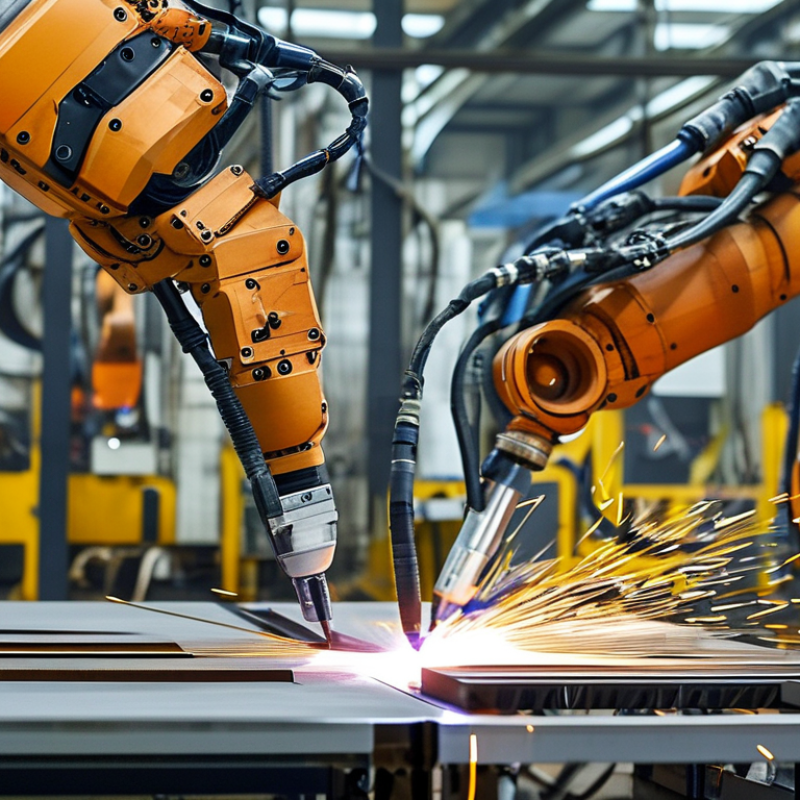
Robotic plasma cutting technology has revolutionized the manufacturing industry. It combines precision and speed, enabling seamless cutting of various materials. This method uses a high-temperature plasma arc, which melts metal as it moves along programmed paths. The results are clean cuts with minimal waste.

However, integrating robotic plasma cutting systems can bring challenges. Programming these machines requires skill and knowledge. Operators must understand both the technology and the materials involved. Additionally, safety concerns demand rigorous protocols. Mistakes in setup can lead to costly errors or even accidents.

Despite these hurdles, the advantages are compelling. Enhanced productivity and reduced lead times are often reported. Companies can achieve consistent quality across large production runs. As manufacturers navigate the complexities, ongoing training and support will be vital for successful implementation. Adopting this technology could redefine a facility's capabilities.

Key Features of Robotic Plasma Cutters

Robotic plasma cutting has evolved significantly, meeting diverse manufacturing needs. One key feature is precision. According to a 2022 industry report, robotic plasma systems can achieve cutting tolerances of ±0.5 mm. This level of accuracy reduces material waste significantly and improves the overall efficiency of production lines.

Speed is another critical characteristic. Advanced robotic plasma cutters can operate at speeds up to 15 meters per minute. This high speed enhances productivity, especially in large-scale manufacturing settings. However, increased speed can lead to inconsistent cut quality if not monitored closely. Manufacturers must strike a balance between speed and precision to ensure optimal results.

Flexibility is also essential. Many robotic plasma cutting solutions can handle a variety of materials, including steel, aluminum, and stainless steel. This adaptability allows manufacturers to diversify their production capabilities. Yet, there's a learning curve involved in programming these robotic systems effectively. Companies often invest in training to maximize the technology's potential. Overall, while robotic plasma cutters offer impressive features, the human element remains crucial for success.

Applications of Robotic Plasma Cutting in Manufacturing

Robotic plasma cutting has become a game-changer in manufacturing. Its applications are vast, ranging from automotive to aerospace sectors. This technology excels at cutting through thick metals with precision. Manufacturers benefit from reduced production times and enhanced safety. Moreover, the automation reduces the need for manual labor. However, reliance on technology may lead to skill gaps in the workforce.

In industries such as shipbuilding, robotic plasma cutting enhances efficiency. Robots can complete cuts that would take hours by hand in just minutes. They ensure consistent quality across all pieces. Yet, some companies struggle with initial setup costs and training. Investing in this technology requires careful consideration of long-term benefits versus immediate expenses.

Another key application of robotic plasma cutting is in heavy machinery production. Customized parts can be cut accurately, meeting specific client requirements. This adaptability is crucial in a rapidly changing market. However, frequent maintenance and programming updates are necessary for optimal performance. Inconsistent training can hinder the effective use of these machines. Balancing automation with skilled labor is essential for sustained success.

Applications of Robotic Plasma Cutting in Manufacturing

Comparative Analysis of Leading Robotic Plasma Cutting Brands

The landscape of robotic plasma cutting is evolving rapidly. Industries are increasingly leveraging automation to enhance efficiency. According to a recent market report from Research and Markets, the global robotic plasma cutting market is projected to grow by over 12% annually. This growth reflects a rising demand for precision in manufacturing.

Different robotic plasma cutting brands bring unique strengths to the table. Some prioritize speed and efficiency, while others focus on versatility and precision. For instance, factors like cutting thickness capability and torch head mobility play critical roles in performance. A comparative analysis of machines reveals that while some brands excel in cutting speed, they may fall short in long-term durability. Balancing these aspects is crucial for manufacturers seeking optimal outcomes.

However, not all solutions are perfect. Some users report issues with setup complexity and maintenance requirements. The reality is that while robotic plasma cutting systems offer incredible advancements, they can also present challenges. Understanding these nuances is essential in evaluating the best fit for specific manufacturing needs. Continuous feedback and adaptation are necessary for success in using these technologies.

Factors to Consider When Choosing a Robotic Plasma Cutting Solution

When selecting a robotic plasma cutting solution, consider factors that deeply impact efficiency and quality. Start with the type of materials you’ll be cutting. Different metals, like aluminum or stainless steel, require varying plasma cutting configurations. According to the Fabricators and Manufacturers Association, 43% of manufacturers report difficulties in cutting thicker materials. This underscores the need for a powerful and reliable system.

Speed and accuracy are paramount in highly competitive environments. The American Welding Society states that robotic systems can improve cutting speed by up to 30%. However, this capacity can be hampered by poor programming or incompatible software. A poorly matched system might not only slow down production but also lead to increased material waste, which can be costly.

Also, think about the system's ability to integrate with existing workflows. Integration challenges often arise due to outdated technology. In fact, studies show that approximately 50% of automation projects fail due to poor alignment with existing systems. It’s essential to weigh these risks against potential rewards, recognizing that an optimal solution should enhance, not disrupt, your manufacturing processes.

Best Robotic Plasma Cutting Solutions for Your Manufacturing Needs

Feature Description Importance
Cutting Speed The speed at which the robot can perform cutting operations. Highly Important
Accuracy The level of precision in cutting dimensions. Crucial
Material Compatibility Types of materials the system can cut effectively. Very Important
Ease of Use User-friendliness of the software and controls. Important
Durability Longevity and robustness of the robotic system. Very Important
Technical Support Availability of assistance and training resources. Essential
Cost of Ownership Total expenses including purchase, maintenance, and operation. Highly Important
SERVO-ROBOT Inc
Privacy Overview

This website uses cookies so that we can provide you with the best user experience possible. Cookie information is stored in your browser and performs functions such as recognising you when you return to our website and helping our team to understand which sections of the website you find most interesting and useful.