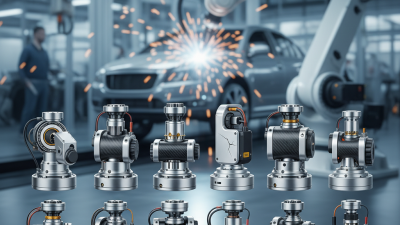
Choosing the right robot joint for your project can be daunting. With various types available, understanding their specific functions is crucial. Robot joints serve as the crucial connectors that allow for movement and flexibility in robotic systems. They can significantly impact the performance and efficiency of your entire project.
Many factors influence the selection process. Consider the load requirements, range of motion, and precision needed for your tasks. A well-chosen robot joint enhances your design, but a poor choice can lead to issues. Reflecting on previous experiences can guide your decision. Always think about how each option aligns with your goals.
Prioritize reliable sources of information. Consult industry experts and technical documentation to make informed choices. While some may rush into deciding, take the time to evaluate each robot joint's characteristics carefully. Ultimately, thorough research will lead to better outcomes for your project.
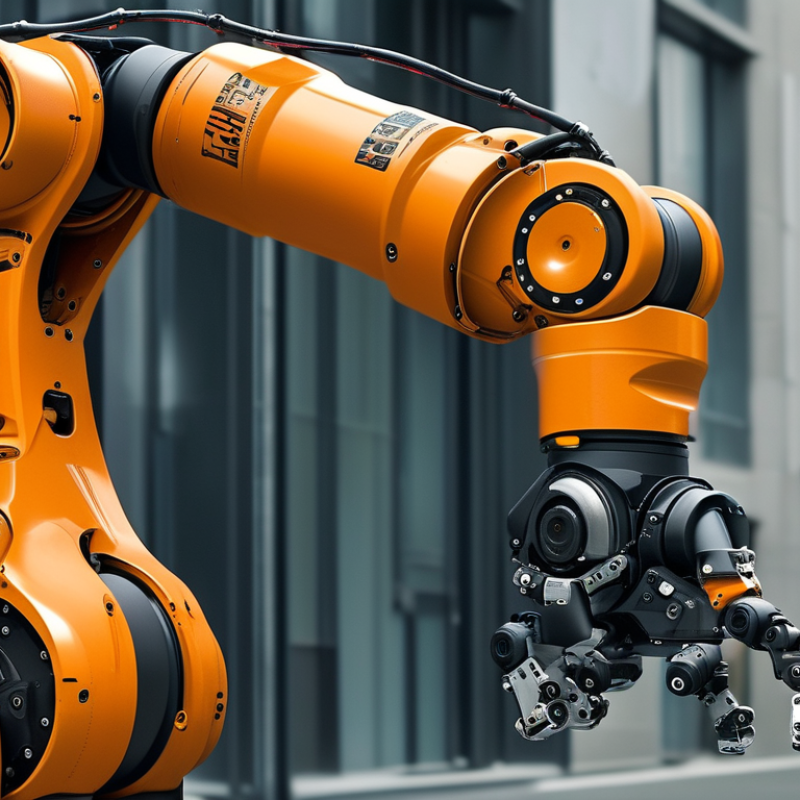
When selecting robot joints for your project, consider the various types available. Each type has unique capabilities and limitations. For example, revolute joints allow angular movement around a single axis. They are commonly used in robotic arms, providing flexibility and reach. However, they may lack the full range of motion needed in some applications.
Another option is prismatic joints. These joints allow for linear movement along an axis. They are ideal for tasks requiring straightforward motion, such as extending and retracting. Yet, they can struggle with complex movements, limiting their use in certain robotic designs.
Some projects might require more advanced joints like spherical joints, which provide movement in multiple directions. This versatility is beneficial, but it can increase the complexity and cost of your robot. Assessing the specific needs of your project is crucial. Your choice of joints must align with both functionality and efficiency standards. The right joint can elevate your project, while the wrong one can lead to subpar performance. Therefore, reflect on your project's goals carefully.
When designing a robot, understanding mechanical requirements is crucial. The weight, size, and intended tasks of your robot significantly influence the joint selection. Pay close attention to the range of motion needed for specific tasks. A joint with limited flexibility can hinder performance in complex actions.
Consider the load-bearing capacity of each joint. A lightweight robot might require less robust joints, while heavy machinery needs stronger ones. Evaluate how the joints will manage stress and movement over time. Will they wear out quickly under continuous use? Reflecting on longevity issues can save resources.
Additionally, think about assembly and maintenance. Some joints are easier to replace or repair than others. Accessibility matters when the project evolves or faces unexpected challenges. Be open to trial and error as you refine your choices. Every decision impacts the overall efficiency and reliability of your robot design.
When choosing a robot joint, understanding the range of motion is crucial. Different projects demand various degrees of flexibility. For example, a robotic arm designed for intricate tasks needs joints that can achieve precise movements. These movements often require a high degree of articulation. On the other hand, a simple robotic platform may only need joints with a limited range.
Assessing the required flexibility involves analyzing your project's specific needs. Consider the tasks the robot will perform. If the robotic joint needs to operate in tight spaces, more flexible joints are essential. However, too much flexibility can lead to instability. It's a balancing act that requires careful thought.
Sometimes, the optimal joint choice isn't clear-cut. You may find that compromises are necessary. Perhaps a joint performs well in one aspect but falls short in another. Reflecting on these trade-offs is vital for a successful design. Prioritize what matters most for your project and choose a joint that aligns with those requirements. The process is iterative, and adjusting your approach based on performance feedback can lead to better results.
Selecting the right robot joint involves understanding weight and load-bearing capacity. According to a report by the International Federation of Robotics, the average weight capacity for standard robotic joints ranges from 1 kg to over 100 kg, depending on the type and design. When considering your project, assess the total load your robot will carry. Remember, a joint without sufficient load capacity can lead to system failure.
Load-bearing capacity also affects performance. A joint with high weight limits may seem appealing, but it can lead to unnecessary complexity. Many projects still face challenges when the weight distribution isn't balanced properly. An unbalanced load can result in wear and tear, impacting longevity. Some industry experts suggest that optimizing joint design can improve reliability by around 30%.
Even the best designs need scrutiny. Data from robotic engineers shows that almost 20% of joint failures stem from incorrect weight assessments. It's critical to measure the load accurately and consider potential dynamic forces. Assessing materials and joint configurations also plays a significant role. A thorough evaluation can prevent issues before they arise.
When considering robot joints for your project, budgeting plays a crucial role. The average cost of robotic joints can vary widely, typically ranging from $50 to over $2,000. This variation depends on factors like payload capacity, precision, and application type. A report by the International Federation of Robotics revealed that the demand for high-precision robotic joints is increasing, with a projected growth rate of 12% annually. This data underscores the importance of aligning your budget with the technological requirements of your project.
Moreover, maintenance costs should also be factored into your budget. Regular checks and potential replacements can add up. It is estimated that maintenance costs can account for 10-20% of the initial investment in robotic systems. Careful planning can prevent unexpected expenses later. Additionally, some projects may require custom solutions, which could further inflate costs. Understanding the lifecycle of robot joints can help in making informed financial decisions.
Lastly, companies must consider the long-term return on investment. Investing in higher-quality, more reliable joints may yield savings over time through reduced downtime and increased efficiency. Evaluating the trade-offs of upfront costs versus long-term benefits is essential. While cheaper options may seem appealing, they could lead to reliability issues or higher operational costs. A strategic approach to budgeting can greatly influence the project's overall success.
| Joint Type | Cost ($) | Torque (Nm) | Weight (kg) | Material | Applications |
|---|---|---|---|---|---|
| Revolute Joint | 150 | 4.0 | 1.5 | Aluminum | Robotics Arms, Automation |
| Prismatic Joint | 120 | 3.5 | 2.0 | Steel | Linear Actuators, CNC Machines |
| Spherical Joint | 200 | 5.0 | 1.8 | Composite | Robotics, Automation |
| Universal Joint | 180 | 4.5 | 1.2 | Brass | Agricultural Machinery, Robotics |