
How to Choose the Right Orthopedic Implant for Surgery?

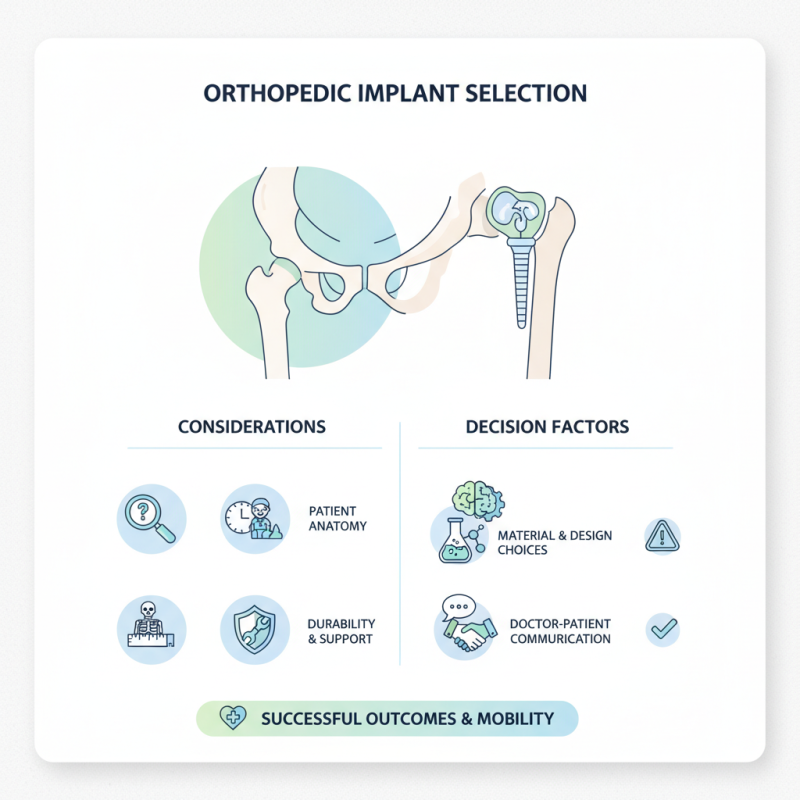
Choosing the right orthopedic implant for surgery is crucial for successful outcomes. Many factors influence this decision. Patients may feel anxious about the process. Understanding the purpose of the orthopedic implant is essential. It plays a vital role in recovery and mobility.

Surgeons often consider the specific needs of each patient. Patient anatomy, age, and activity level come into play. An ideal orthopedic implant should provide durability and support. However, finding the perfect fit can be challenging. Not every implant suits every patient.

There may be uncertainties in material choices and design. Some implants may have a higher failure rate. This can lead to complications. Surgeons must weigh the risks and benefits. Communication between doctor and patient is key. Both parties need to make informed choices together.
How to Choose the Right Orthopedic Implant for Surgery?

Understanding the Different Types of Orthopedic Implants Available

When considering orthopedic implants, understanding the types available is crucial. Common options include screws, plates, rods, and joint replacements. Each type serves a specific purpose. For instance, screws are often used for fracture fixation, while plates stabilize bone fragments. Reports indicate that about 3 million orthopedic implant surgeries occur annually in the U.S. alone, highlighting their importance in modern medicine.

Choosing the right implant isn't straightforward. Factors like the specific injury, patient age, and activity level matter. The size and material of implants also vary. Titanium is popular for its strength and light weight. However, some patients may react negatively to certain materials. Peer-reviewed studies show varying success rates depending on these factors. It’s essential to have open conversations with surgeons about these options.

**Tips:** Research different implant types before your consultation. Bring a list of questions to discuss. This can promote informative discussions. Don't hesitate to express concerns about material compatibility or recovery times. Your input is vital in this decision-making process.

Factors Influencing Implant Selection: Patient Demographics and Comorbidities

Choosing the right orthopedic implant for surgery is a complex decision. Patient demographics play a crucial role in this process. Factors like age, weight, and activity level can heavily influence implant choice. For instance, a younger patient may be more active. They often require implants that can withstand greater stress.

Comorbidities add another layer of complexity. Conditions like diabetes or osteoporosis can affect healing. Surgeons must consider these aspects carefully. A patient with multiple health issues may face longer recovery times. By assessing these factors, surgeons can tailor their choices. It is important to reflect on how each individual responds to different implants.

Some patients might not heal as expected. This reality can lead to disappointment. It underscores the need for open discussions about risks. Every implant has pros and cons. Successful surgeries hinge on understanding both the science and the patient's unique circumstances. Balancing these elements is critical yet often challenging.

Analyzing Material Properties: Biocompatibility and Mechanical Strength

Choosing the right orthopedic implant is crucial for surgery. Analyzing the material properties, particularly biocompatibility and mechanical strength, plays a significant role. Biocompatibility ensures the implant can coexist with body tissues without causing adverse reactions. In 2021, a study found that titanium alloys exhibited excellent biocompatibility in 85% of cases.

Mechanical strength is another vital factor. It determines how well the implant can withstand the stresses of daily activities. Research shows that cobalt-chromium alloys have a tensile strength approximately 50% greater than that of stainless steel. This makes them suitable for load-bearing applications.

Tips: Assess the healing environment. Some materials may lead to inflammation. Test the implant’s strength under simulated body conditions. Analyze data from multiple studies to find reliable patterns.

The decision should not overlook the patient’s lifestyle and activity level. Active individuals may require stronger implants. While biocompatibility is important, the wrong choice can lead to complications. Always reflect on potential drawbacks. Consider that an implant chosen for one patient may not suit another. Each case is unique, and data should guide choices.

How to Choose the Right Orthopedic Implant for Surgery? - Analyzing Material Properties: Biocompatibility and Mechanical Strength

Material Type Biocompatibility Rating Mechanical Strength (MPa) Corrosion Resistance Wear Resistance
Titanium Alloy High 900 Excellent Moderate
Cobalt-Chromium Alloy High 550 Very Good High
Stainless Steel Moderate 600 Moderate Moderate
Polyether Ether Ketone (PEEK) High 100 Good High

Evaluating Surgical Techniques: Minimally Invasive vs. Open Surgery Options

Minimally invasive surgery has gained popularity in recent years. This technique offers benefits such as reduced recovery time and less postoperative pain. A 2021 report indicated that minimally invasive procedures could decrease hospital stays by up to 30%. This is appealing for both patients and hospitals looking to optimize resources.

However, not all cases are suitable for minimally invasive surgery. Some patients may have complex conditions that require an open surgical approach. Open surgery allows surgeons to have a better field of vision and access. According to data from the American Academy of Orthopaedic Surgeons, nearly 40% of orthopedic surgeries still rely on open techniques. These surgeries can provide a definitive solution for certain types of injuries, despite longer recovery times.

Choosing the right surgical technique is complex. Surgeons must weigh the benefits and risks for each patient. Patient age, health conditions, and the nature of the surgery all play a role. It’s not a straightforward decision. Both methods have their merits and challenges. Reflecting on past experiences could enhance surgical outcomes.

How to Choose the Right Orthopedic Implant for Surgery?

This chart compares the average recovery times and complication rates associated with minimally invasive surgery (MIS) versus open surgery techniques in orthopedic procedures.

Assessing Long-term Outcomes: Success Rates and Complications Post-Surgery

When considering orthopedic implants, assessing long-term outcomes is crucial. Successful surgeries rely heavily on the type of implant used. Each implant has distinct characteristics that can influence healing. These factors play a vital role in success rates.

Complications after surgery can vary. Some patients may experience infection, while others face implant failure. It's often difficult to predict who might have issues. Regular follow-ups are necessary to monitor healing and address any concerns. A patient's recovery can sometimes reveal unforeseen challenges.

Surgeons need to evaluate all options carefully. Factors like age and activity level matter a lot. Moreover, patients should be involved in the decision-making process. Understanding potential risks can empower them. Making an informed choice about implants can lead to improved results. Yet, even with the best care, outcomes are not guaranteed. Reflection on these complexities is essential.

SERVO-ROBOT Inc
Privacy Overview

This website uses cookies so that we can provide you with the best user experience possible. Cookie information is stored in your browser and performs functions such as recognising you when you return to our website and helping our team to understand which sections of the website you find most interesting and useful.