How to Choose the Best Agricultural Drones for Your Needs?
As the agricultural sector evolves, the use of Agricultural Drones has become a game changer. Experts emphasize the importance of selecting the right drone. James Anderson, an authority in precision agriculture, once stated, "Choosing the right agricultural drone can significantly boost productivity." This highlights the importance of making an informed decision.
With so many options available, navigating the drone market can be overwhelming. Understanding specific needs is crucial. Different drones offer varying features, from crop monitoring to pesticide application. The ideal drone should align with your unique agricultural goals.
Farmers often face challenges, such as budget constraints and technical expertise. Reflecting on personal needs helps in making the right choice. Without a clear understanding, one might end up with a drone that doesn't suit their requirements. Investing time in research is necessary for effective use of Agricultural Drones.
Understanding the Different Types of Agricultural Drones Available
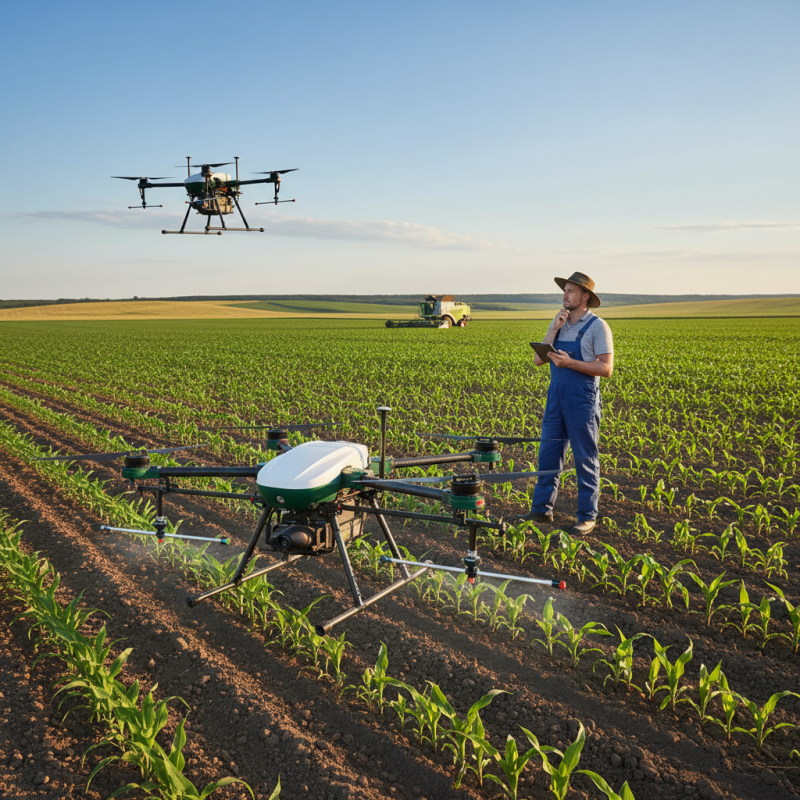
When selecting the right agricultural drone, understanding the different types available is crucial. Drones can vary greatly in their design and capabilities. Multirotor drones, for instance, are excellent for precise tasks like crop monitoring. They hover and can capture detailed images. However, they typically have shorter flight times due to battery limitations.
Fixed-wing drones, on the other hand, cover larger areas efficiently. They can fly longer distances and are often used for mapping and surveying. But they may lack the agility needed for detailed inspections. When evaluating your needs, consider the terrain and the specific tasks you'll perform. Reflect on what fits best with your farming practices.
Hybrid drones combine elements from both multirotor and fixed-wing designs. They offer flexibility but can be more complex to operate. Finding the balance between ease of use and functionality is vital. Remember, not every drone suits every purpose. Experimenting might be necessary to determine what works best for you.
Key Features to Consider When Selecting an Agricultural Drone
When selecting an agricultural drone, several key features should be considered. Battery life stands out as a critical factor. A drone with longer flight time can cover more ground efficiently. Look for models with at least 30 minutes of flight capacity. This ensures you can gather data without frequent recharging. Additionally, consider the payload capacity. This affects what kind of sensors or equipment can be attached. If you need multispectral cameras, ensure the drone can handle the extra weight.
Another aspect is the GPS capability. Accurate positioning enables better mapping of fields. Drones with advanced GPS systems can create precise agricultural maps. This feature is essential for effective monitoring. Another detail to reflect on is the ease of use. Some models require technical expertise. However, user-friendly options can get you started quickly. A steep learning curve can be frustrating. Reliability in software is also crucial. Look for drones that have consistent performance reports. Technical glitches can lead to missed data opportunities and wasted time.
How to Choose the Best Agricultural Drones for Your Needs? - Key Features to Consider When Selecting an Agricultural Drone
| Feature | Description | Importance |
| Payload Capacity | The maximum weight the drone can carry for spraying or sensor equipment. | High |
| Flight Time | The duration the drone can fly before needing a recharge. | High |
| Camera Resolution | The quality of images captured, critical for precise analysis. | Medium |
| GPS Integration | Allows for accurate mapping and navigation during flight. | High |
| Automation Features | Ability to automate flights for specific tasks such as mapping or spraying. | Medium |
| Durability | Resistance to environmental factors like wind, rain, and dust. | High |
| User Interface | Ease of use of the control system or software for planning flights. | Medium |
| Price | Overall cost of the drone compared to features offered. | High |
Assessing Your Specific Agricultural Needs and Requirements
When selecting agricultural drones, assessing specific needs is crucial. The type of crop you grow can influence your drone choice. For instance, high-resolution sensors may be essential for vineyards, while larger fields might benefit from multi-spectral imaging. According to a report from MarketsandMarkets, the agricultural drone market is projected to reach $5.9 billion by 2026, reflecting growing demand for tailored solutions.
Understanding your land's topography also matters. Hilly terrains can complicate flight patterns. A drone with advanced GPS capabilities can improve accuracy. Some farmers overlook battery life, which can vary between models. A drone that lasts 20 minutes might not suffice for extensive fields. A study by UAV Coach indicates that only 35% of farmers are satisfied with the battery life of their current drones. This suggests a gap in addressing practical challenges.
Additionally, regulatory requirements should not be neglected. Laws regarding drone usage can vary widely by region. Familiarizing yourself with these regulations is essential before making a purchase. Data from the Federal Aviation Administration indicates that improper use of agricultural drones can lead to legal issues. Thus, thorough research ensures informed decisions in choosing the right drone for your specific agricultural needs.
Budgeting for Agricultural Drones: Cost vs. Value Analysis
Budgeting for agricultural drones is crucial for maximizing return on investment. When considering costs, it’s essential to evaluate their value in improving efficiency and productivity. Drones range from basic models to advanced systems with multiple features. The initial price may seem high, but look at the long-term benefits. A drone can survey vast fields in minutes, saving hours of manual labor.
Understanding the potential savings is vital. For instance, using drones for pest detection can reduce crop losses significantly. However, some users find the learning curve steep. It requires time to master drone operation and data analysis. Investing in training can add to your budget but enhance your overall efficiency.
Reflecting on the costs versus the gains is necessary. Some farmers may rush into purchasing without considering their specific needs. It's better to analyze your objectives first. High-tech options may not always align with simpler farming practices. Ultimately, balancing your budget with anticipated outcomes is key to making an informed decision.
Evaluating Manufacturers and After-Sales Support for Drones
When evaluating agricultural drones, understanding manufacturers and after-sales support is crucial. Many people overlook this aspect, focusing solely on features or price. However, the reliability of after-sales service can make or break your experience.
A reputable manufacturer typically offers comprehensive training and support. This can include tutorials, troubleshooting, and maintenance advice. Check if they have dedicated customer service lines. Engage with user communities to gauge feedback about their support. A responsive support team can save you time and frustration when issues arise.
In addition, look for warranties and service packages. These can provide peace of mind, especially in critical farming seasons. Some manufacturers may promise quick fixes but fail to deliver. Do your homework by investigating other users’ experiences. Proper research can unveil potential shortcomings in manufacturer claims. Reliability doesn’t just hinge on the product; it also relies on who stands behind it.