Choosing the right robotic welding systems can greatly impact productivity and quality in manufacturing. According to a report by MarketsandMarkets, the robotic welding market is projected to reach $6.70 billion by 2027, emphasizing the industry's growth and potential. The demand for precision and efficiency drives companies to invest in advanced technologies.
Expert Tom Milne, a well-known authority in automation, once stated, “Selecting robotic welding systems requires an understanding of your specific requirements.” This perspective highlights the importance of aligning system features with operational goals. Many companies rush into purchasing without thorough analysis, which can lead to misalignment and wasted resources.
The right robotic welding system not only enhances productivity but also improves weld quality. Companies should consider factors like ease of integration, maintenance, and staff training needs. Ignoring these aspects can result in significant setbacks. Thus, a careful evaluation is crucial. Understanding your unique needs allows for a more informed decision that can ultimately lead to greater long-term success.
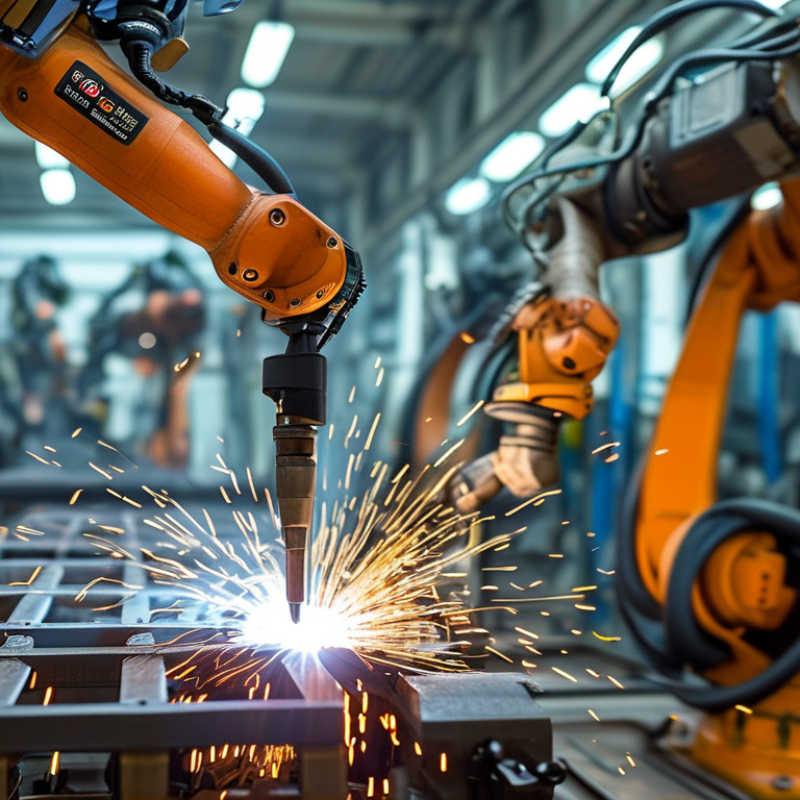
When selecting a robotic welding system, you must clarify your welding needs and objectives. Picture your workshop. Are you welding large components or small intricate parts? Understanding the specific size, shape, and materials you work with will guide you in choosing the right equipment. For instance, different robots excel at various tasks. Some are adaptable for thin materials, while others are suited for heavy-duty applications.
Consider your production volume. High-volume operations may benefit from systems designed for speed and efficiency. Meanwhile, low-volume or custom projects may require a more versatile robot. Identify your goals—are you aiming for precision, speed, or cost-effectiveness? Analyzing these aspects helps narrow down your options.
Reflect on your team's skills. Are your operators trained for complex robotic technology? If not, simpler systems may be more suitable. Regular training ensures you maximize your investment and improve safety. Balancing automation benefits with human expertise is essential. Ultimately, the best choice aligns with your operational realities and future expansion plans.
Evaluating different types of robotic welding systems requires a keen understanding of your specific needs. There are various systems available, each with unique capabilities. For instance, arc welding robots are highly versatile. They can produce high-quality welds across different materials. According to industry reports, about 45% of manufacturing firms have integrated these systems into their operations. This increase is largely due to the systems' efficiency and precision.
In contrast, laser welding systems offer speed and precision. They are excellent for thin materials. A study from the Robotics Industries Association shows that these systems can reduce cycle times by up to 50%. However, their initial investment is typically higher compared to arc welding options. Companies must weigh these factors against their production demands.
Additionally, some systems come with additional features like real-time monitoring. This can enhance productivity. Yet, the complexity may require skilled operators. Investing in training is crucial, as around 40% of organizations reported challenges in adapting to advanced technology. Choosing the right system is not just about specifications; it’s about aligning those with your operational goals and workforce capabilities.
When selecting a robotic welding system, key features should guide your decision. Look for systems with high adaptability. According to a recent market report, over 70% of manufacturers prefer systems that can easily be reprogrammed for different tasks. This flexibility allows for quick adjustments to product lines, ultimately enhancing productivity.
Next, focus on the precision and speed of the welding process. A study conducted by the American Welding Society indicates that precision can reduce rework costs by nearly 30%. Systems that offer real-time monitoring can maintain consistent quality and minimize errors. Additionally, consider the user interface. A system that provides intuitive controls can significantly reduce training time, allowing operators to adapt quickly.
Another aspect to ponder is the integration capabilities with existing technologies. Many manufacturers struggle with outdated systems. Compatibility can ease these transitions. Data shows that companies upgrading their robotic systems experience a 22% increase in efficiency. It's worth evaluating how well a new system can mesh with current software and processes. Balancing these features with your specific needs requires careful thought.
When selecting a robotic welding system, understanding budget constraints is crucial. First, identify the total costs involved. The average initial investment ranges from $50,000 to $200,000, according to industry reports. This includes the equipment, installation, training, and maintenance costs. It’s essential to analyze how these costs fit within your overall budget.
Return on investment (ROI) is another vital aspect. A 2022 study by the Robotic Industries Association indicated that companies often see a 20% increase in productivity within the first year of adopting robotic systems. Evaluate the expected gains against your costs. Will the system reduce labor costs? Will it minimize errors and increase output? These questions will guide your decision.
Consider scalability. As production demands grow, your system should adapt. Budget for future upgrades or expansions. A robotic system that meets current needs may soon require additional investments to keep up with evolving demands. Balancing immediate costs with long-term benefits is a complex but necessary process. Reassessing your budget over time will help maintain optimal performance and ROI.
Choosing a reputable supplier for robotic welding systems is crucial. A reliable supplier should have a proven track record. They should be recognized for high-quality equipment and strong customer service. Look for companies with certifications that display their commitment to quality. Check their history in the industry, and avoid those with unclear reputations.
Support services are equally important. The supplier should provide comprehensive training for their systems. Training can significantly impact operational efficiency. Evaluate their after-sales support. Responsive and knowledgeable support teams can save time and money. When systems fail, quick assistance is vital.
Consider customer reviews and case studies. Real-world experiences help identify potential issues. Pay attention to feedback about product longevity and service response times. A trustworthy supplier stays connected with customers after the sale. This ongoing relationship is essential for troubleshooting and upgrades. Seek out suppliers who prioritize your needs and are willing to adapt their solutions over time.