
How to Choose the Right Conveyor Belt Rollers for Your Needs?

Choosing the right conveyor belt rollers is crucial for efficient operations. Conveyor belt rollers play a vital role in material handling systems. They support the belt and help in smooth movement of goods.

Selecting the correct rollers involves understanding your specific needs. Factors like load capacity, roller diameter, and environmental conditions must be considered. It can be overwhelming, especially for those new to the industry.

Some may overlook the importance of roller maintenance and quality. Investing in durable conveyor belt rollers can save money in the long run. Reflecting on your choices can lead to better decision-making.
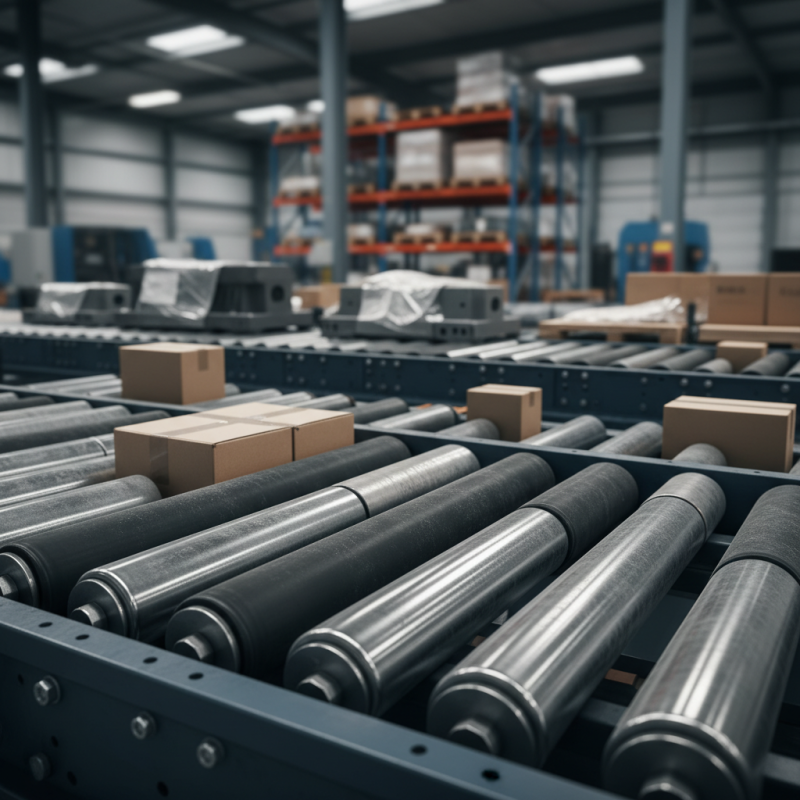
How to Choose the Right Conveyor Belt Rollers for Your Needs?

Understanding the Types of Conveyor Belt Rollers Available

When choosing conveyor belt rollers, it's crucial to understand the types available. There are generally two main types: idler rollers and drive rollers. Idler rollers support the belt and create tension, while drive rollers are responsible for powering the belt's movement. Each has its specific function and requirement.

One important consideration is the material. Steel and rubber are common choices. Steel rollers are more durable, while rubber offers better grip. However, rubber may wear out faster. This requires regular checks and potential replacements, which can be a hassle for maintenance teams.

Tips: Consider the weight of your materials. Heavier loads may require heavier-duty rollers. Look for corrosion-resistant options if in a wet environment. Lastly, always account for environmental factors. Dust, moisture, or extreme temperatures can affect roller performance. Proper selection can lead to fewer breakdowns and longer operational life. Don't overlook these details, as they can make a significant difference.

Evaluating the Load Capacity Requirements for Your Application

When choosing conveyor belt rollers, load capacity is crucial. Assessing your application’s requirements ensures durability and efficiency. Roller load capacity varies. It depends on factors like material type, width, and length. A miscalculation can lead to failures or excessive wear on the system.

Tips: Start by determining the maximum weight the rollers will carry. Consider the weight of the materials as well. Include safety factors in your calculations.

Different environments affect roller performance too. For wet or corrosive settings, choose materials that resist damage. This choice helps maintain load capacity over time. Don’t overlook the effects of temperature variations on rollers. Extreme heat or cold alters material strength.

Tips: Regular inspections can identify early signs of wear. Monitoring roller condition prolongs system life. It’s wise to have backup options in case of unexpected issues.

Examining the Material Composition of Conveyor Belt Rollers

When selecting conveyor belt rollers, the material composition plays a crucial role. Rollers made from steel are highly durable. They can withstand heavy loads. On the other hand, plastic rollers offer lightweight options. They resist rust and corrosion well. However, they may lack durability compared to metal rollers.

Consider the specific environment of usage. For example, rubber-coated rollers provide better grip. They are ideal for steep inclines. In contrast, aluminum rollers can be effective in lighter applications. Yet, they may not be suitable for extreme conditions. Always assess the trade-offs when choosing materials.

It's important to reflect on long-term costs, not just initial prices. A less durable roller might require more frequent replacements. This could lead to higher maintenance costs over time. In some cases, a more expensive roller made from premium materials might save money. However, these choices can vary based on needs and conditions. Understanding these nuances is essential for making informed decisions.

Material Composition of Conveyor Belt Rollers

Assessing the Environmental Conditions Affecting Roller Performance

When selecting conveyor belt rollers, it's essential to assess the environmental conditions that may impact their performance. Factors like temperature, humidity, and dust levels play a crucial role. For instance, extreme temperatures can cause roller materials to expand or contract, affecting their longevity. High humidity can lead to corrosion, especially if the rollers are made from metal. Dust can accumulate, obstructing movement and increasing wear.

Another consideration is the load environment. Heavy loads may require more robust rollers. In contrast, lighter loads might allow for a more flexible design. Each setting presents unique challenges. Conveyor systems used in mines will face different conditions compared to those in food processing plants. Reflecting on these differences can prevent costly mistakes. Choosing the right roller is more than just a technical decision; it’s about understanding the specific site and applications.

Finally, don’t overlook maintenance. Regular checks can help identify issues before they escalate. Dust buildup can affect functionality, so cleaning is vital. Sometimes, adjustments may be necessary as environmental conditions change over time. It’s a mixed reality of proactive planning and reactive problem-solving. Without a comprehensive approach, performance may suffer.

Considering Maintenance and Longevity Factors in Roller Selection

When selecting conveyor belt rollers, maintenance and longevity should be top priorities. Industry reports indicate that nearly 80% of roller failures stem from inadequate maintenance. Regular inspections and timely replacements can significantly improve roller lifespan, which averages around 7 years for standard rollers. However, this can be extended with proper care.

The choice of materials is critical for durability. Steel rollers, for example, can handle heavy loads but may succumb to rust over time. Using corrosion-resistant coatings can help mitigate this issue, while plastic rollers offer lightweight benefits, yet may not bear the same weight. According to recent studies, maintenance costs can consume up to 15% of operational budgets. It’s vital to weigh the upfront costs against potential long-term maintenance.

Even with the best practices in place, issues can still arise. Breakdowns might happen unexpectedly, disrupting operations. It’s crucial to develop a regular schedule for inspections to identify wear and tear before it leads to failure. Investing in quality rollers and a structured maintenance routine can lead to substantial savings over time. Balancing cost and performance requires thoughtful consideration, along with a willingness to adapt as conditions change.

How to Choose the Right Conveyor Belt Rollers for Your Needs? - Considering Maintenance and Longevity Factors in Roller Selection

Roller Type Material Load Capacity (lbs) Diameter (inches) Maintenance Frequency Expected Longevity (years)
Idler Rollers Steel 800 4 Annual 10
Return Rollers Aluminum 600 5 Bi-annual 12
Drive Rollers Plastic 1000 6 Quarterly 8
Impact Rollers Steel with rubber coating 1200 7 Annual 15
SERVO-ROBOT Inc
Privacy Overview

This website uses cookies so that we can provide you with the best user experience possible. Cookie information is stored in your browser and performs functions such as recognising you when you return to our website and helping our team to understand which sections of the website you find most interesting and useful.