How to Choose Electrical Sockets in 2026
Choosing Electrical Sockets in 2026 is less about appearance than matching a socket to its room, appliances, and wiring. A compact white outlet may suit a hallway, while a kitchen counter often needs durable materials and carefully planned placement. Benjamin Franklin, an early electrical pioneer, is often credited with the advice, “An ounce of prevention is worth a pound of cure.” It remains a useful reminder when comparing socket ratings and safety features.
Start with the basics: check the required plug type, voltage, current rating, and grounding for your location and devices. Then consider shutters, surge protection, USB ports, or smart controls. These features can help, but only when they suit the way people actually use the room. A socket beside a desk might charge a laptop daily; one behind a heavy cabinet may become frustrating to reach. Details matter.
This guide will help you compare common socket types, materials, safety features, and installation considerations. It will also explain why a higher price does not automatically mean a better choice. Think about cleaning, moisture, furniture placement, and the appliances used most often. Small oversights are easy to make. If wiring, compatibility, or load capacity is unclear, ask a qualified electrician to assess the setup. Product labels and local requirements can vary, so verify them before buying. A careful choice is practical, though no single socket suits every home.
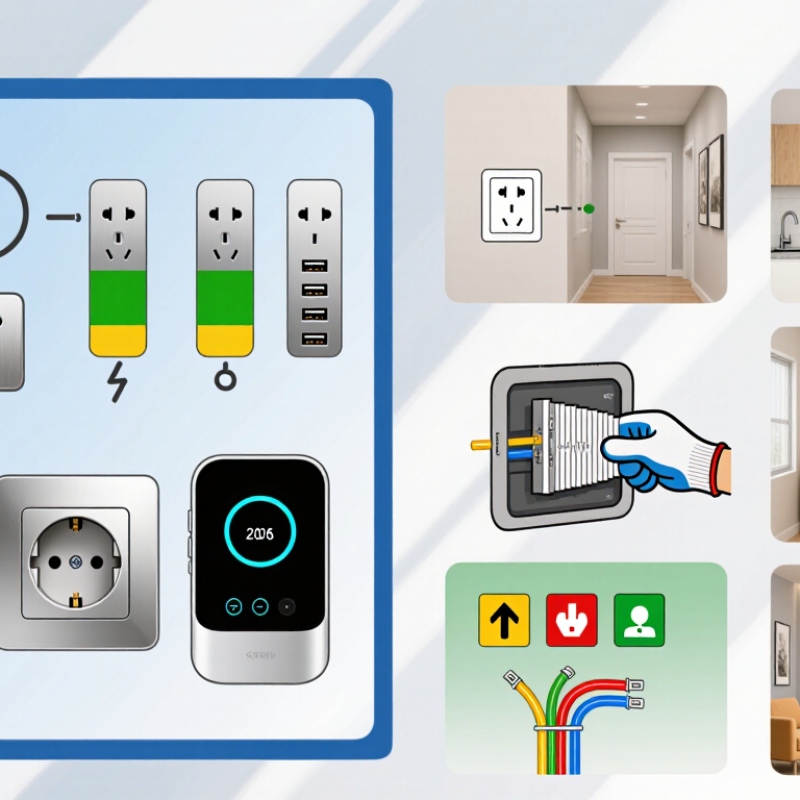
Identify Your Electrical System and Socket Standards
Before choosing a socket, identify the supply behind the wall: nominal voltage, frequency, circuit current, and earthing arrangement. A matching face shape proves little. IEC 60884-1 covers household plugs and socket-outlets, but national versions and installation rules can differ. Check the standard used where the property is located, then compare the socket’s voltage and current ratings with the circuit and appliance. A travel adapter changes plug fit; it does not convert voltage. Small details matter. Look for the earth contact, shutter design, mounting-box depth, and whether the outlet is intended for indoor or damp locations. When uncertain, have a qualified electrician verify the circuit rather than relying on an old label.
The risk is practical, not theoretical. NFPA’s Electrical Fires report estimated an annual average of 32,620 U.S. home fires involving electrical distribution or lighting equipment from 2015 to 2019. That category is broader than sockets, so it should not be read as an outlet-fire count. Still, it is a reason to treat loose terminals, heat marks, and cracked plates seriously. I find socket shape easy to notice and system compatibility easier to overlook. Check the device markings and local requirements; if either is unclear, pause before buying or installing.
Match Socket Types to Rooms, Appliances, and Electrical Loads
How to Choose Electrical Sockets in 2026
Match sockets to what each room actually needs. In a kitchen, count the appliances likely to run together, not just the outlets along the backsplash. A kettle, toaster, and microwave can place a substantial demand on a circuit. Check each appliance’s rating and have circuit capacity assessed when adding outlets or equipment. Appearance alone is not enough.
For bedrooms and living areas, consider where lamps, chargers, and televisions will sit. A socket with built-in USB charging can reduce adapter clutter, but check its output and safety certification. In bathrooms, laundry rooms, and other damp areas, select socket protection suited to the location and local electrical rules. Small detail. Easy to miss.
High-demand appliances, such as ovens, dryers, or space heaters, may require a dedicated circuit or a particular socket rating. Follow the appliance instructions; never assume two sockets with similar shapes can handle the same load. It is tempting to choose by convenience, but I would pause and check the rating first. If the wiring, grounding, or required protection is unclear, ask a licensed electrician to inspect it before installation. Socket standards vary by region, so confirm compatibility rather than relying on an online photo.
Compare Safety Features and Smart Socket Options
How to Choose Electrical Sockets in 2026
A socket is easy to ignore until a plug feels loose or its faceplate grows warm. Choose one rated for the circuit and appliance, with secure contacts, grounding where required, and shutters that help prevent accidental contact. Check the product’s installation instructions; a smart socket cannot correct faulty wiring.
Small details matter. The National Fire Protection Association’s Home Electrical Fires report estimates that U.S. fire departments responded to an average of 46,700 home electrical fires annually from 2015 to 2019. Those fires caused an estimated 390 civilian deaths and $1.5 billion in direct property damage each year. These figures cover more than sockets, but they show why basic protection deserves attention.
Smart options add remote switching, schedules, and sometimes energy monitoring. For a lamp, a timer may be enough; for a heater, check the socket’s load rating carefully and follow its stated restrictions. I still find schedules easy to forget, so clear status lights and a physical off switch are useful. Review privacy settings, app permissions, and whether the socket continues working without an internet connection.
NIST’s NISTIR 8259A IoT cybersecurity guidance identifies capabilities such as controlled access, data protection, and secure software updates. Look for clear update support and setup instructions, not just a long feature list. One practical test: can you switch it off safely when your phone is elsewhere?
Check Compatibility, Installation Needs, and Local Regulations
How to Choose Electrical Sockets in 2026
A socket that fits the plug may still be electrically incompatible. Check the appliance’s voltage, current rating, plug type, and grounding requirements against the supply and socket specifications. For example, a grounded appliance needs a compatible grounded outlet, not an adapter that merely makes the pins fit. IEC 60884-1 sets general requirements for household plugs and socket-outlets, but national versions and local rules may differ. Small details matter.
Installation conditions matter just as much. Confirm whether the socket is intended for indoor or damp locations, and check its enclosure rating, circuit capacity, and mounting depth. In the United States, NFPA’s Home Electrical Fires report estimates an annual average of 31,647 home structure fires involving electrical distribution or lighting equipment during 2015–2019. That figure is not specific to sockets, but it underlines why sound installation and suitable equipment matter. Never assume an old box or wiring can support a new outlet.
Check local electrical codes before buying. Requirements can cover outlet placement, required protection, permitted socket types, and who may perform the work. Rules vary by country and sometimes by city, so confirm with the local building authority or a licensed electrician. If wiring is brittle, discolored, or warm to the touch, stop and seek qualified help. A quick visual check cannot confirm circuit safety.
How to Choose Electrical Sockets in 2026
Compare typical household mains voltage before choosing a socket. Always verify the supply, plug compatibility, installation requirements, and local regulations for the specific location.
What this means: A socket’s physical shape does not confirm that an appliance is electrically compatible. Check its voltage and frequency rating against the local supply; Japan’s mains frequency varies by region, and supply details can vary by location. Have installation assessed against applicable local electrical rules by a qualified professional.
Choose Socket Ratings, Materials, and Maintenance Requirements
When choosing an electrical socket, match its voltage and current rating to the circuit and the appliances it will serve. A socket rated for a lower load may overheat under sustained use. Check the markings, not just the shape. In kitchens or utility rooms, consider the surrounding conditions: moisture, dust, and frequent plugging can affect suitability. Use a protective cover only when the socket and installation are designed for that environment.
Material matters too. A sturdy, heat-resistant housing and firm metal contacts can better withstand repeated use than brittle plastic or loose fittings. But material descriptions alone are not proof of quality; look for clear technical specifications and recognized safety certification for your region. A neat-looking faceplate can still hide a loose connection. Appearance is a weak test.
Keep sockets free of dust, and watch for cracking, discoloration, warmth, buzzing, or plugs that slip out. Stop using a socket that shows these signs and ask a qualified electrician to inspect it. Do not remove the cover while it is energized.
Maintenance is easy to postpone, especially when the socket still works, and that is not always a reliable measure. Check occasionally, particularly after moving furniture or noticing a plug feels unusually warm.