
How to Choose the Best Remote Gates for Your Property

Choosing the best Remote Gates for your property starts with the way you use the entrance each day. A wide driveway, a sloped approach, and a busy sidewalk each create different demands. A gate that looks impressive in a brochure may feel awkward when you are opening it in the rain. Small details matter.

Consider how much space the gate needs, how often it will operate, and who must use it. Swing gates need room to move; sliding gates need a clear track and space beside the opening. Check the operator’s duty rating, safety features, power options, and maintenance requirements. Ask an experienced installer to assess the site, including drainage, ground conditions, and vehicle access. Get the specifications in writing. Then compare the full installed cost, not just the motor price.

A composite access-control specialist, Alex Morgan, sums up the decision this way: “A reliable gate is designed around the site, not chosen from a catalogue alone.” This is an illustrative composite quote, not a verified statement from a real, named expert. That distinction matters when evaluating advice. Remote Gates can improve convenience and help manage access, but no system is maintenance-free. Be realistic. A little planning now can prevent a motor struggling against a misaligned gate later. Consider what you may have overlooked, too: daily users, future repairs, and the simple task of getting through when power fails.
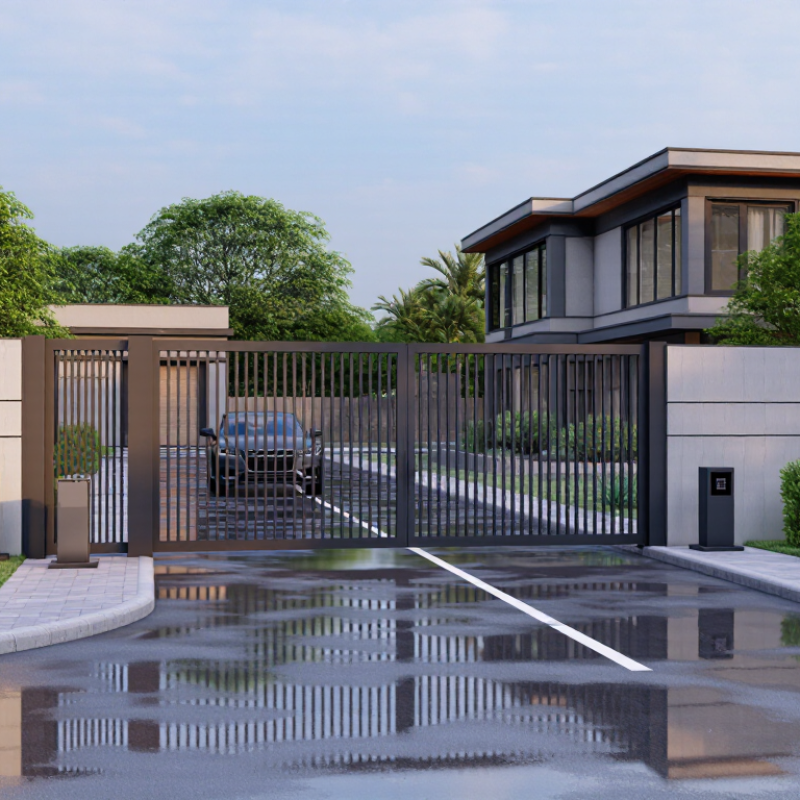
How to Choose the Best Remote Gates for Your Property

Assess Your Property Layout and Access Requirements

Begin with a measured sketch of the driveway, property line, and street approach. Note the slope, drainage channels, nearby trees, and where vehicles can wait without blocking traffic. AASHTO’s A Policy on Geometric Design of Highways and Streets uses a 19-foot passenger car as a design vehicle. Treat that as a baseline, not a perfect fit: your regular delivery van or work truck may need more clearance. A tape measure beats a guess. Measure the gate opening and the full swing or slide path, including room for mirrors and turning. A tidy plan can still overlook a low branch or a steep driveway.

Then map how people actually enter. Check the distance from the gate to the road, so a vehicle can stop fully off the travel lane while the gate opens. Confirm that a driver can reach the keypad or reader without leaning across traffic. Sightlines matter, especially where a hedge or wall hides approaching cars. ASTM F2200 addresses automated vehicular gate construction, while UL 325 covers gate operators and entrapment protection; ask an installer how the proposed layout accounts for both. Plans can feel precise, yet delivery vans rarely follow a neat line. Leave practical clearance, and revisit the measurements after rain or with a larger vehicle on site.

Compare Remote Gate Types and Opening Mechanisms

Remote gate selection depends on driveway shape, gate weight, and daily use. Sliding gates move along a fence line, making them practical where a swing gate would hit a parked car or rise. They need a clear track or cantilever path, though. Leaves and gravel can disrupt ground tracks. Swing gates need room for their full arc; articulated-arm operators suit wide posts, while underground operators keep hardware out of sight. That hidden setup can be harder to inspect.

The operator matters as much as the gate type. Electromechanical units suit many lighter residential gates; hydraulic systems are often chosen for heavier, frequent-use gates. UL 325 divides gate operators into four use classes, from residential access to restricted-access sites. Match the operator class to actual traffic, not just the property label. DASMA’s gate-operator safety guidance also emphasizes entrapment protection. Check that the installation includes compatible monitored safety devices and that the operator manufacturer’s instructions are followed.

Tips: Measure the gate’s weight, slope, and opening clearance before choosing a mechanism. Picture a delivery van waiting while the gate opens; a few seconds can matter. Remote range can vary with walls and interference, so test from the usual approach. A tidy specification sheet can still miss messy realities, like winter grit or a post that is slightly out of plumb. Recheck those details on site.

Choose Suitable Gate Materials and Drive Systems

Remote gates work best when their material suits the site, not just the house. Steel offers strength for wide openings, while aluminum reduces dead weight and resists rust. Timber softens the look, but needs regular sealing and can warp in wet weather. The American Galvanizers Association’s atmospheric-corrosion data estimate galvanized steel can last roughly 50–100 years in rural environments, depending on coating and exposure. That is a useful benchmark, not a warranty. Coastal salt, standing water, and damaged coatings can shorten service life.

Match the drive system to the gate’s movement and daily workload. Sliding gates need a clear, level track; swing gates need room to arc without striking a slope or parked car. Check the gate’s mass, opening width, and expected cycles against the operator’s rated capacity. A solid panel catches more wind than an open-bar design. ASCE 7 design-wind maps help identify local wind demands, which matter when sizing both the gate structure and operator. Bigger is not always better.

Small details matter. Keep drainage clear around tracks and hinges, and make sure the operator has suitable safety sensors and a manual release. For exposed sites, ask an installer to assess wind loading and the support posts, not just the motor. I would not choose from catalog weight alone; real-world friction and alignment are easy to underestimate.

Check Safety Features, Installation Needs, and Local Rules

Treat a remote gate as moving machinery, not just a boundary. Look for monitored photo eyes, pressure-sensitive edges, and automatic stop or reversal functions. These features matter near children, pets, and delivery paths. Place controls where drivers can use them without standing in the gate’s travel zone. A manual release helps during power failures, but it should remain secure from unauthorized access. Test sensors regularly, following the installer’s instructions. Small checks matter.

Before ordering, measure the opening, gate travel, and driveway slope. A few inches can affect clearance and hardware choices. Check whether the gate swings across a sidewalk, blocks sightlines, or leaves room for a waiting vehicle. Sliding systems need a clear track and good drainage; swing gates need firm posts and space to move. Ask a qualified installer to assess soil, wind exposure, electrical supply, and emergency access. It is easy to underestimate how water collecting beside a post can weaken its footing. Rules differ by area. Ask local building officials about permits, setbacks, fence height, sightlines, and utility easements before work begins.

How to Choose the Best Remote Gates for Your Property - Check Safety Features, Installation Needs, and Local Rules

Decision factor Sliding gate Swing gate What to check before choosing
Available space Needs a clear run alongside the opening for the gate to slide back. Needs enough clear space for the leaf or leaves to swing through their full arc. Measure the opening and movement area; account for parked vehicles, paths, slopes, and landscaping.
Driveway slope and ground conditions Often suits sloped driveways better because the gate moves sideways, but the track or support system must suit the site. A sloping surface can limit the swing path or require careful design and clearance. Check levels, drainage, soil stability, and whether snow, debris, or standing water could affect movement.
Safety sensors and obstruction protection Confirm the design protects people and vehicles near the gate’s travel path and closing edge. Confirm protection covers the swing area and any potential pinch or crush points. Ask about photoelectric sensors, force-limiting or contact protection, warning devices, and commissioning tests. Safety requirements vary by location and gate design.
Manual release and power failure The operator should have an accessible manual release suited to the gate and site. A manual release should allow safe operation when power or the control system is unavailable. Find out how the gate is released, whether a backup battery is available, and how occupants can reach the release during an outage.
Remote controls and access Remote operation is commonly available; access-control options depend on the operator and system. Remote operation is commonly available; access-control options depend on the operator and system. Check remote range at the property, secure user permissions, compatibility with intercoms, and how lost remotes can be removed from access.
Installation and foundations May need a level track or a properly engineered cantilever support, plus a stable operator base. Typically needs sound hinge posts or columns, suitable foundations, and correctly aligned leaves. Have the installer assess gate weight, wind exposure, post condition, electrical supply, drainage, and underground utilities.
Local rules and permissions Rules may apply to height, visibility, setbacks, access, and the gate’s position relative to a public way. The same local checks may apply; the swing path must also stay within permitted property boundaries. Contact the relevant local authority or building department and check planning, electrical, fire-access, and boundary requirements before work begins.
Ongoing maintenance Track, wheels or rollers, guide components, and sensors may need periodic inspection and cleaning. Hinges, posts, operators, and safety devices may need periodic inspection and adjustment. Request a maintenance schedule and instructions for testing safety devices; follow the installer’s and manufacturer’s guidance.

Site conditions and legal requirements differ. Confirm the final design, safety measures, permits, and installation details with qualified local professionals before purchasing.

Estimate Costs and Plan Long-Term Maintenance

For a remote-operated gate, price the whole installation, not just the gate and motor. Angi’s electric-gate cost guide gives a typical installation range of about $2,000–$5,000; longer driveways, heavier materials, and difficult access can push costs higher. Ask contractors to itemize the operator, controls, wiring, concrete work, and excavation. A low quote may exclude trenching or drainage. Small costs add up.

Plan for upkeep before choosing a design. Sliding gates need clear tracks; swing gates need sound hinges and stable posts. Dust, leaves, and ice can strain moving parts, while weak batteries may interrupt remote access. DASMA guidance for automated gate operators emphasizes regular inspection and testing of safety features. Check the manual for a schedule, and have a qualified technician inspect the system if it reverses poorly or makes unusual noises. UL 325 addresses entrapment protection; confirm that the installed operator has appropriate safeguards.

Set aside money each year for cleaning, adjustments, replacement batteries, and occasional professional service. The right reserve depends on weather, use, and gate size, so a fixed figure can mislead. Keep a simple log of repairs and outages. It may feel overly cautious, but it helps reveal recurring problems before they become expensive. Angi’s range is a planning estimate, not a contractor’s quote; get itemized bids for your site.

SERVO-ROBOT Inc
Privacy Overview

This website uses cookies so that we can provide you with the best user experience possible. Cookie information is stored in your browser and performs functions such as recognising you when you return to our website and helping our team to understand which sections of the website you find most interesting and useful.