What is the Importance of Seam Tracking in Modern Manufacturing?

In today’s manufacturing landscape, precision is paramount. Seam tracking has emerged as a critical technology. It ensures that materials align perfectly during the production process. This capability enhances efficiency and reduces waste. Manufacturers face challenges such as misalignment and irregularities. Seam tracking addresses these issues head-on.

The importance of seam tracking goes beyond mere accuracy. It impacts the overall quality of products. When components fit together seamlessly, the end product is more reliable. This technology also minimizes the likelihood of defects. Each error can lead to costly rework and delayed production schedules. Advanced seam tracking systems utilize sensors and algorithms to ensure optimal performance.

However, implementing seam tracking is not without its hurdles. It requires investment in training and equipment. Some manufacturers may struggle to adopt new technologies. Thus, ongoing evaluation of its effectiveness is essential. Continuous improvement is vital to stay competitive in the market. Embracing seam tracking could redefine efficiency in modern manufacturing.
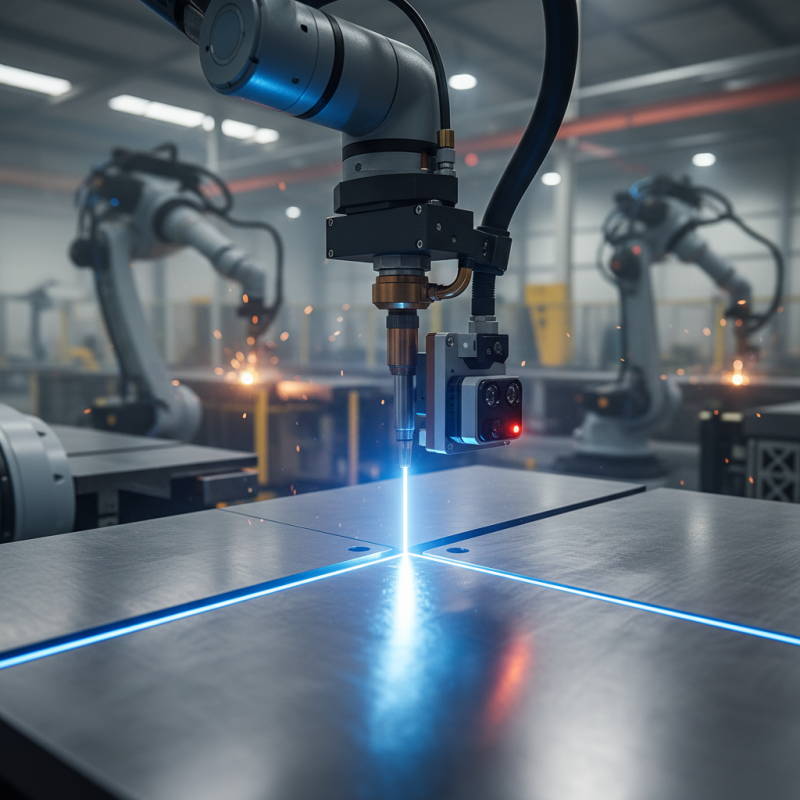
What is the Importance of Seam Tracking in Modern Manufacturing?

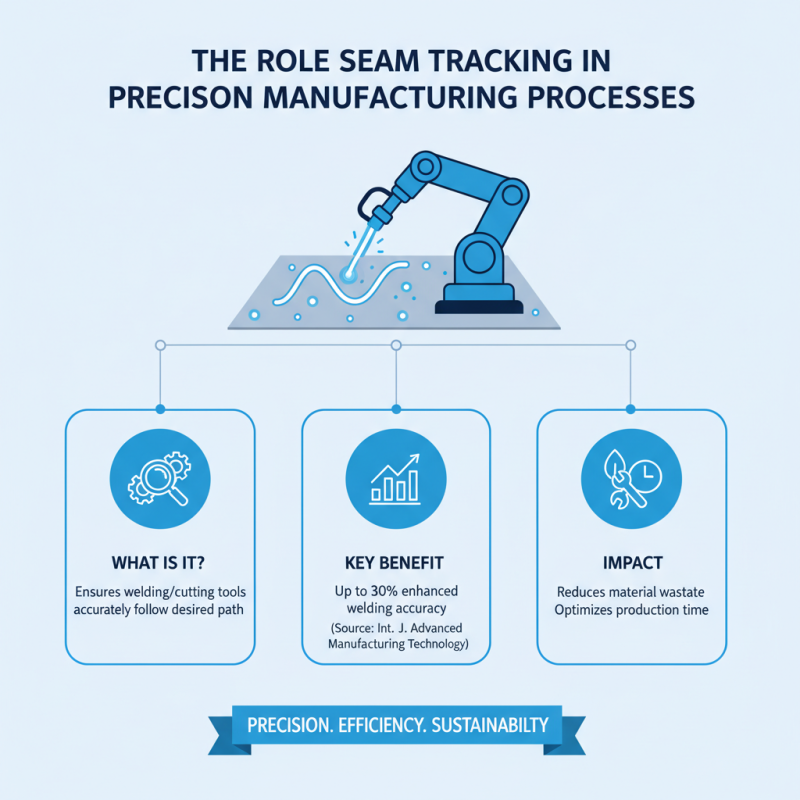
The Role of Seam Tracking in Precision Manufacturing Processes
What is the Importance of Seam Tracking in Modern Manufacturing?

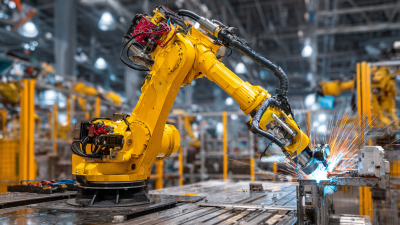
Seam tracking plays a pivotal role in precision manufacturing processes. It refers to the techniques used to ensure that welding tools or cutting devices follow the desired path accurately. According to a report from the International Journal of Advanced Manufacturing Technology, automated seam tracking can enhance welding accuracy by up to 30%. This improvement significantly reduces material wastage and optimizes production time.

In sectors like automotive manufacturing, precision is paramount. The industry often utilizes real-time seam tracking technologies to facilitate robot operations. Research indicates that incorporating such technologies can decrease production costs by approximately 15%. However, there are challenges in implementing these systems. Factors like variable material properties or inconsistent surface conditions can lead to tracking errors. This highlights the ongoing need for continuous improvement in seam tracking methodologies.

The reliance on precision increases with the complexity of manufacturing processes. While many companies adopt advanced tracking systems, there are still discrepancies in effectiveness. The integration of artificial intelligence and machine learning in seam tracking shows promise, but it also raises questions about adaptability. As the industry evolves, manufacturers must reflect on the balance between technological advancements and practical application. Continuous assessment of seam tracking systems can drive more significant efficiencies in production lines.
How Seam Tracking Enhances Quality Control in Production Lines

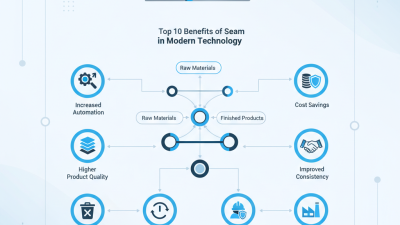
Seam tracking is a crucial technique in manufacturing. It plays a significant role in enhancing quality control on production lines. By following the seam during processes like welding or stitching, manufacturers can ensure precision. This reduces errors that can lead to product defects. The result? Higher consistency and improved product quality.

Employing seam tracking technology helps identify deviations in real-time. This allows for immediate adjustments, minimizing waste and rework. With accurate monitoring, workers can catch issues before they escalate. Effective quality control directly impacts customer satisfaction and trust.

Tips: Consider integrating sensors for better seam detection. Regularly train your staff on seam tracking systems. Sometimes, errors may still occur, so it’s essential to review procedures periodically. Continuous improvement is key in any production environment.

Technological Innovations Driving Seam Tracking in Modern Factories

Seam tracking plays a pivotal role in modern manufacturing, especially with the advent of advanced technologies. It enhances precision in processes like welding and cutting. Reports indicate that companies using automated seam tracking systems can improve operational efficiency by up to 30%. This increase is crucial as manufacturers face pressure to reduce costs while maintaining quality.

Technological innovations are at the forefront of this transformation. Laser-based systems and cameras are becoming increasingly common. These tools enable real-time monitoring and adjustments, enhancing accuracy in dynamic environments. A study by the International Journal of Advanced Manufacturing Technology revealed that such improvements result in a 15% reduction in material waste. Yet, the implementation of these systems can be complex, often requiring skilled personnel for effective operation.

However, challenges remain. Seam tracking technology is not foolproof. Misalignment or environmental factors can impact performance. Continuous training and adaptation are necessary to optimize these systems fully. The emphasis on improvement highlights the need for manufacturers to reflect on their practices constantly, ensuring they leverage new technologies effectively in their production processes.

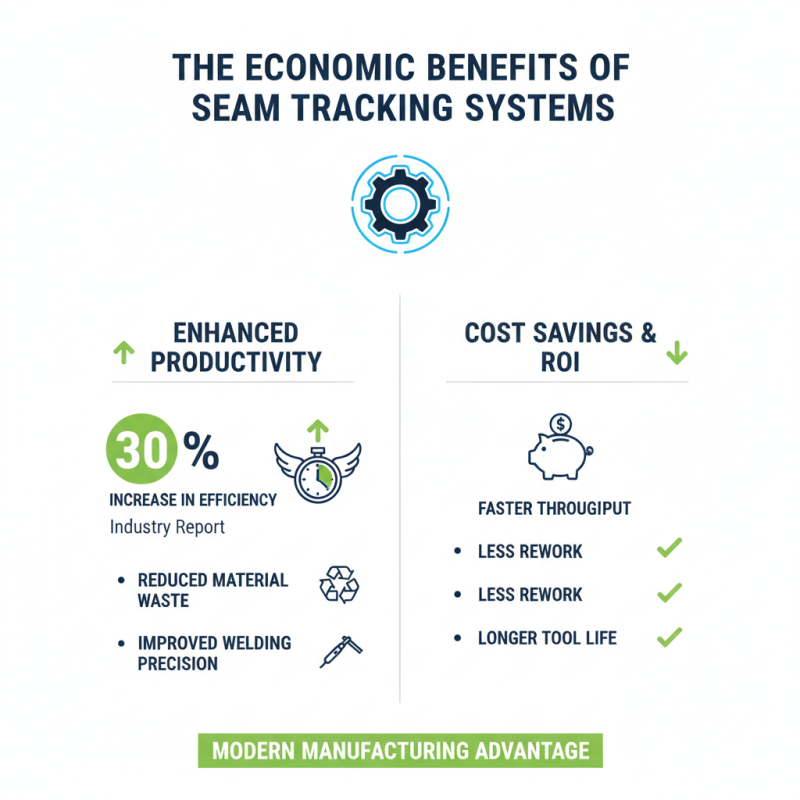
The Economic Benefits of Implementing Seam Tracking Systems

What is the Importance of Seam Tracking in Modern Manufacturing?

Seam tracking systems have gained considerable attention in modern manufacturing. Their economic benefits are significant, leading to enhanced productivity. According to a recent industry report, manufacturers implementing these systems report up to a 30% increase in efficiency. This boost stems from reduced material waste and improved precision in welding processes.

With accurate seam tracking, the cost of rework decreases. Studies suggest that companies can save an average of 15% on labor costs. This is crucial in an era where labor expenses continuously rise. However, the initial investment for these systems can be daunting. Many small businesses struggle with the cost versus return on investment. It's essential to weigh these factors carefully.

Data from industry analyses indicate potential long-term savings. Companies that adopt seam tracking see a payback period within two years. Yet, many are hesitant to switch from manual methods. This reluctance can hinder competitiveness in a fast-evolving market. The transition requires training and adjustments that may seem overwhelming at first. Emphasizing the right approach can lead to greater innovation and profitability.

Challenges and Future Directions for Seam Tracking in Manufacturing

Seam tracking has become crucial in modern manufacturing. However, challenges persist. A recent report indicated that nearly 30% of manufacturers face difficulties with inconsistent seam alignment. This can lead to defects, increased material waste, and higher costs. The need for accurate seam tracking systems is evident. Gaps in technology and training inhibit progress.

Emerging technologies like AI and machine learning show promise. Yet, they are not foolproof. Seam tracking often struggles with complex geometries and varying material types. A survey found that about 40% of industry experts believe current technologies do not fully meet their needs. As manufacturers adopt more automation, these gaps could become more pronounced.

Future directions should focus on data integration and real-time adjustments. Seam tracking can benefit from advanced sensors and more adaptive control systems. Manufacturers must invest in training teams to understand these technologies. Only then can they truly maximize efficiency and quality. As the landscape evolves, a continuous reassessment of methods is vital.

What is the Importance of Seam Tracking in Modern Manufacturing?

Dimension Description Impact on Manufacturing Future Direction
Accuracy Precision in tracking the seams during production. Reduces defects and rework, improving product quality. Adoption of advanced sensors and algorithms for enhanced precision.
Cost Efficiency Optimization of material usage and labor costs. Minimizes waste and maximizes profit margins. Integration of AI for predictive cost management.
Speed Increases the speed of manufacturing processes with automated tracking. Enhances throughput and reduces lead times. Use of robotics for faster and more flexible seam tracking.
Flexibility Ability to adapt to various materials and products. Encourages innovation and diversification in product lines. Development of adaptable systems that learn over time.
SERVO-ROBOT Inc
Privacy Overview

This website uses cookies so that we can provide you with the best user experience possible. Cookie information is stored in your browser and performs functions such as recognising you when you return to our website and helping our team to understand which sections of the website you find most interesting and useful.