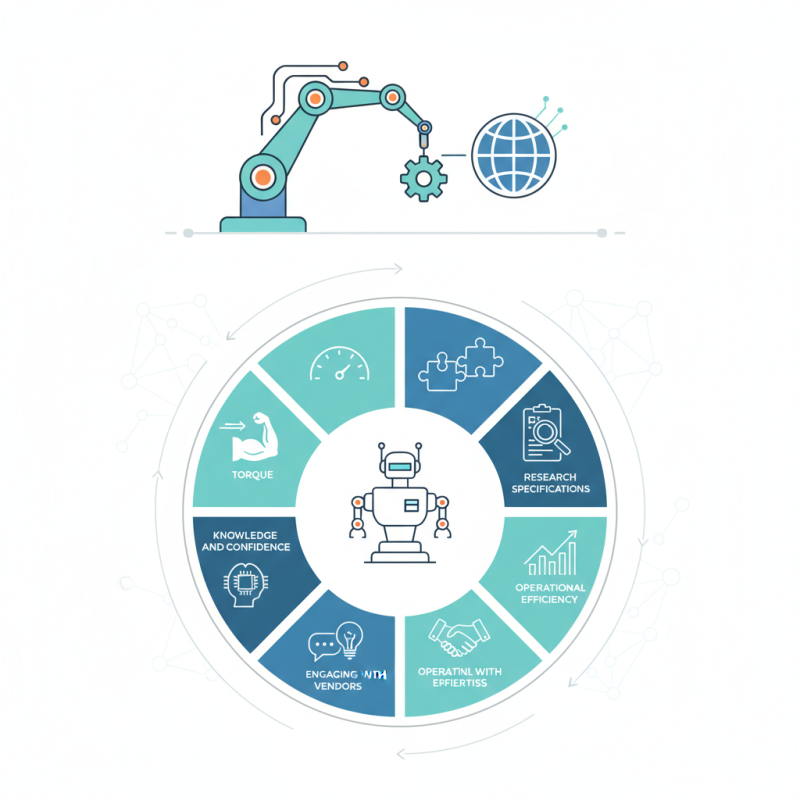
When exploring the world of robot servos, global buyers face many challenges. These challenges increase the need for informed decision-making. Understanding key factors can significantly enhance the purchasing experience. Robot servos are crucial components in robotics. They enable precise movements and control in various applications.
Selecting the right robot servo involves careful consideration. Factors such as torque, speed, and compatibility are essential. Buyers must research specifications diligently. High-quality robots require high-quality servos. Mistakes in selection can lead to operational inefficiencies. The wrong choice may result in increased costs and project delays.
It's vital to stay updated on industry trends. Technology evolves rapidly, impacting servo performance. Buyers should consider supplier expertise. Reliable suppliers offer valuable insights and support. Engaging with experienced vendors can streamline the process. Knowledge about robot servos enhances confidence in purchasing decisions.
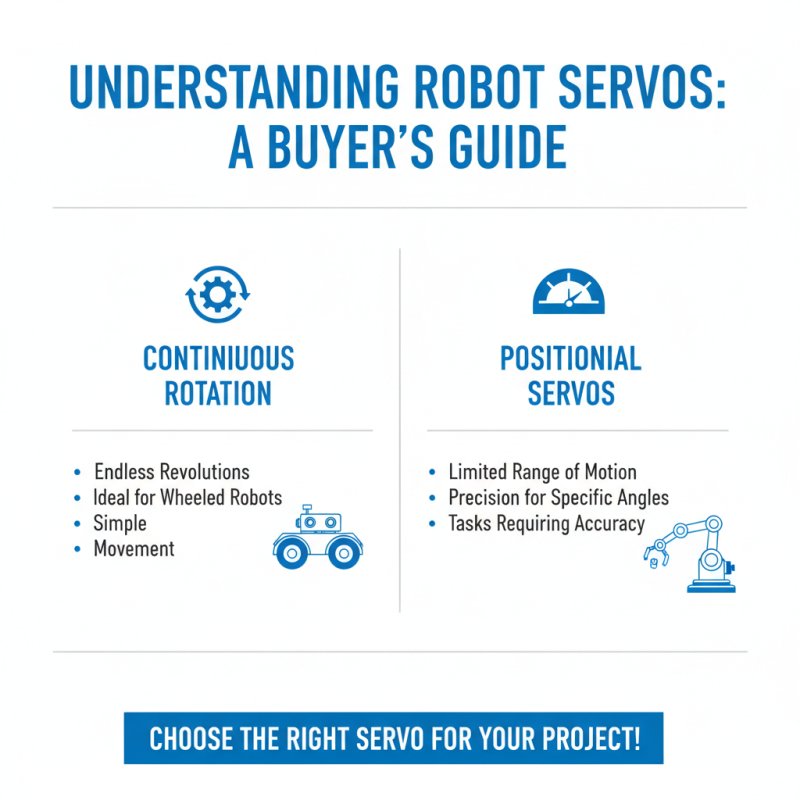
When considering robot servos, understanding the different types is crucial. There are two main categories: continuous rotation servos and positional servos. Continuous rotation servos allow for endless revolutions, making them ideal for applications like wheeled robots. Positional servos, on the other hand, have a limited range of motion. They offer precision, which is essential for tasks requiring specific angles. Both types have their own advantages, but they may not suit every project.
Each servo type comes with features that impact functionality. For instance, torque is a vital spec to assess. High torque servos can handle heavier loads, but they may require more power. On the flip side, lighter servos are energy efficient but might compromise performance under stress. The choice often comes down to balancing power needs with project requirements. Buyers should reflect on their specific use cases. What is the intended task? Understanding these details helps in choosing the right servo for your needs.
When considering robot servos, torque, speed, and precision stand out as vital specifications. Torque determines the force a servo can exert. Different applications require different torque levels. For heavy-duty tasks, look for higher torque ratings. Conversely, lightweight projects might function well with lower torque. The balance here is crucial; too much torque can lead to excess energy consumption.
Speed is another critical specification. It indicates how quickly a servo can respond to commands. Rapid response is essential in dynamic applications. Yet, consider that high speed can sometimes compromise precision. Fine-tuning your requirements helps to find the sweet spot between speed and accuracy.
Precision, often overlooked, plays a significant role in robotic performance. It influences how accurately a servo can position. In applications where exactness is key, investing in higher precision is worth it. However, achieving top precision might increase costs. Evaluating the overall needs of your project will guide you to the right balance. Remember, every project is unique, and solutions should reflect that. Aim for careful assessment of each specification to ensure optimal functionality.
| Servo Model | Torque (Nm) | Speed (RPM) | Precision (°) | Voltage (V) |
|---|---|---|---|---|
| Model A | 5.0 | 3000 | 0.05 | 12 |
| Model B | 6.5 | 2500 | 0.03 | 24 |
| Model C | 4.0 | 2800 | 0.04 | 12 |
| Model D | 7.0 | 2200 | 0.02 | 24 |
| Model E | 8.5 | 3500 | 0.01 | 36 |
| Model F | 3.5 | 3300 | 0.06 | 12 |
| Model G | 9.0 | 4000 | 0.015 | 48 |
| Model H | 2.5 | 3600 | 0.07 | 12 |
| Model I | 10.0 | 4500 | 0.005 | 48 |
| Model J | 1.2 | 3100 | 0.08 | 12 |
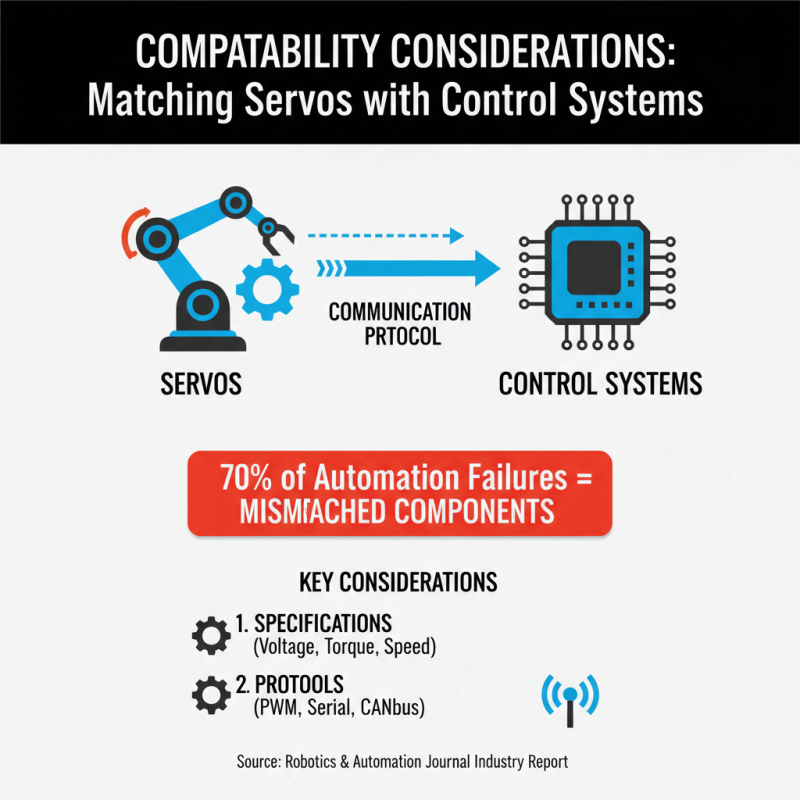
When selecting servos for robotic projects, compatibility is crucial. Control systems need to effectively communicate with the servo motors to ensure proper functionality. According to a recent industry report from the Robotics & Automation Journal, over 70% of automation failures stem from mismatched components. Buyers must be aware of the specifications and protocols of both the servos and the control systems.
One essential aspect is the signal type used by the servo. Many servos operate on PWM signals, while others may utilize RS-485 or CAN bus protocols. Understanding these differences can save significant time and resources. Additionally, the voltage ratings often vary between servos. A mismatch here can lead to underperformance or even equipment damage.
Another critical consideration is the mechanical compatibility. The physical dimensions and connector types must align for seamless integration. While it may seem trivial, this mismatch can complicate assembly and affect project timelines. A survey indicates that 40% of buyers after pilot testing reported unanticipated difficulties due to mechanical incompatibilities. Evaluating all these factors before making a purchase can prevent costly errors.
When choosing robot servos, manufacturer support is crucial. Buyers should prioritize companies that offer reliable service. A strong support system ensures you can troubleshoot any issues quickly. Ask potential manufacturers about their support availability, response times, and the expertise of their staff. This knowledge can save you significant time and resources.
Warranty services are also vital. A good warranty can protect your investment and provide peace of mind. Understand the warranty terms clearly. Find out what is covered and for how long. Some manufacturers offer extended warranties that may be worth considering.
Moreover, consider these tips: evaluate the technical documentation provided by the manufacturer. Quality documentation enhances your ability to integrate servos effectively. Also, check for user reviews and testimonials. Feedback from other buyers can shed light on the overall reliability of both the product and the manufacturer’s support services. This information will give you a clearer picture. Ensure you are informed before making a decision.
This bar chart illustrates the importance ratings of various factors that global buyers should consider when purchasing robot servos. Higher ratings indicate greater importance, emphasizing the need for manufacturer support and warranty services, alongside other critical attributes.
The field of robot servo technology is rapidly evolving, driven by innovative designs and smarter automation solutions. According to a recent report by a leading market research firm, the global servo motors market is projected to reach $11.5 billion by 2025. This rapid growth reflects the increasing demand for precision engineering across various industries, including automotive and aerospace.
Advancements in artificial intelligence (AI) are reshaping robot servo systems. AI integration allows for adaptive control, enhancing performance in real-time. Servo systems can now learn from their environment, leading to greater accuracy and efficiency. However, the shift towards AI-driven designs raises concerns about reliability. The consistency of AI systems can vary and might need thorough testing.
Another trend is the miniaturization of servo motors. Smaller, lightweight designs enable applications in tight spaces. This presents both opportunities and challenges. While miniaturization increases flexibility, it may also compromise power and durability. Buyers should consider these aspects carefully. Balancing size and performance will be critical for future applications.