Top Stainless Steel Pipe Manufacturers Worldwide
Stainless Steel Pipe is used in demanding settings, from food-processing lines to chemical plants and coastal infrastructure. Its performance depends on more than a polished surface. Grade selection, wall thickness, weld quality, and corrosion resistance all affect how a pipe performs in service. Small details matter.
This guide introduces leading stainless steel pipe manufacturers worldwide and the factors buyers can use to compare them. It considers product range, manufacturing capabilities, quality controls, industry experience, and the documentation available for specific products. Company scale can be useful, but it does not prove that a supplier suits every project. A manufacturer with a broad catalogue may not offer the exact grade, dimensions, or delivery schedule a buyer needs.
Reliable comparisons start with clear requirements. Check technical data sheets, applicable testing records, traceability practices, and stated production standards directly with each manufacturer. Where possible, discuss operating conditions with qualified engineering staff before choosing a material. Published information can help narrow a shortlist, but it may not capture every facility’s current capacity or product availability. That limitation deserves attention. Even a careful overview can miss regional differences in service and lead times. Treat this guide as a starting point, then verify details with the companies themselves.
What Defines a Leading Stainless Steel Pipe Manufacturer
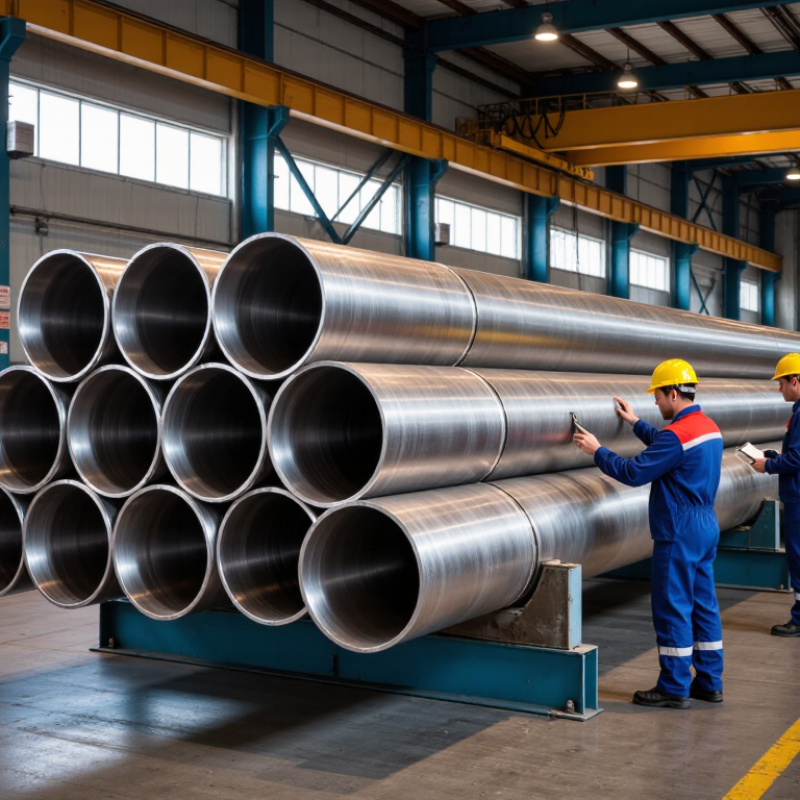
A leading stainless steel pipe manufacturer is defined by control, not catalogue size. It should document alloy grade, heat number, dimensions, and test results for every production batch. On a receiving floor, that means a pipe’s markings can be matched to its mill test certificate without guesswork. Useful checks include chemical analysis, tensile testing, dimensional inspection, and suitable nondestructive examination. Look for consistent procedures aligned with applicable specifications, such as ASTM A312 for certain seamless and welded stainless steel pipes.
World Stainless reported global stainless steel crude production of 58.4 million tonnes in 2023, up 4.6% from 2022. This industry data shows the scale of stainless production, but it does not prove a pipe supplier’s quality. Buyers still need project-specific evidence. Ask how the manufacturer controls welding, heat treatment, surface finish, and traceability. A polished surface can look convincing. It is not a substitute for verified test records. This is easy to overlook.
Tips: Request a sample certificate before ordering. Check that its grade, dimensions, and heat number match the actual pipe. Ask about inspection frequency and reject criteria, too. A capable supplier should explain these plainly; vague answers deserve a second look.
How Stainless Steel Pipes Are Made and Classified
Stainless steel pipe begins as carefully blended scrap and alloying elements, melted and refined to control chromium, nickel, and carbon. World Stainless reported 58.4 million tonnes of global crude stainless steel production in 2023; this figure covers all stainless products, not pipes alone. The distinction matters. Mills cast billets or slabs, then form them into pipe by piercing solid stock for seamless products or rolling and welding strip for welded products. Heat treatment restores material properties, while pickling removes surface scale. Each step leaves evidence: weld seams, surface finish, and dimensional tolerances all affect inspection.
Classification depends on manufacturing route, grade, dimensions, and intended service. ASTM A312, for example, covers seamless, welded, and heavily cold-worked austenitic stainless steel pipe for corrosive or high-temperature applications. Grade selection often considers corrosion exposure, temperature, and fabrication needs; 304 and 316 are common austenitic grades, but they are not interchangeable in every environment. Pipe schedules describe wall thickness relative to nominal size, not a universal pressure rating. Check the specified standard and test requirements. A smooth surface can look reassuring, yet appearance alone cannot prove material grade or weld integrity. That is easy to overlook.
Major Stainless Steel Pipe Manufacturers by Region
Major Stainless Steel Pipe Manufacturers by Region
Asia is the largest production base for stainless steel, supported by extensive melting, rolling, and pipe-forming capacity. World Stainless reported global crude stainless steel production of 58.4 million tonnes in 2023, with Asia supplying the largest share. This scale gives buyers broad access to welded and seamless pipe, including standard grades and custom dimensions. But capacity alone is not a quality guarantee. Check mill test certificates, wall-thickness tolerances, and traceability from billet to finished pipe.
European producers are often associated with demanding specifications and process control, while North American suppliers serve energy, chemical, and infrastructure projects with region-specific grades and documentation. India and Southeast Asia are expanding manufacturing bases, offering additional options for project sourcing. The OECD’s 2024 Steel Outlook provides useful context on global steel capacity and trade pressures, though it does not measure stainless pipe output specifically.
That distinction matters. UN Comtrade’s trade classifications also group many iron and steel pipes together, so shipment figures may not isolate stainless products cleanly. Compare audited production scope, corrosion-test methods, lead times, and inspection records—not just country of origin.
One overlooked detail: fittings and pipe may come from different facilities.
Products and Capabilities of Leading Manufacturers
Leading stainless steel pipe manufacturers distinguish themselves through product range, process control, and traceable testing. Common offerings include welded and seamless pipes, with grades and dimensions selected for pressure, corrosion exposure, and operating temperature. Capabilities may include cutting, heat treatment, surface finishing, and non-destructive inspection. Details matter. A smooth weld bead is useful, but it cannot replace documented material chemistry or pressure-test records.
The market is substantial, though output alone does not prove quality. The International Stainless Steel Forum reported global stainless steel melt-shop production of 58.4 million tonnes in 2023, a 4.6% increase from 2022. This is a useful industry indicator, not a measure of pipe production or individual factory performance. Buyers should compare production scope, inspection plans, and delivery traceability against the actual project specification. Brochures can leave gaps.
Tips: Request a sample inspection record and confirm how heat numbers follow each pipe through processing. Check tolerances, test methods, and surface finish in writing. If a supplier gives vague answers, pause and ask for evidence. A low price can look convincing; the cost of rework is less visible.
How to Evaluate and Select a Global Supplier
When evaluating global stainless steel pipe manufacturers, compare more than quoted price and nominal capacity. The International Stainless Steel Forum’s Stainless Steel in Figures 2024 reports global stainless steel production of 58.4 million tonnes in 2023, up 4.6% from 2022. That scale makes supplier capacity claims worth checking against actual mill output, product range, and delivery records. Ask for recent references involving similar grades, diameters, wall thicknesses, and service conditions. Details matter.
Review quality controls at the production level. Request material test certificates and confirm that heat numbers remain traceable from the melt through cutting and shipment. Check how the supplier handles dimensional inspection, surface defects, and agreed testing, such as hydrostatic or eddy-current examination. A certificate alone is not proof that every shipment matches your specification; verify sample records or arrange an independent inspection where practical.
Compare lead times, export packing, and communication across the same order scenario. Ask who will resolve a nonconformance and how quickly corrective evidence is provided. Standards such as ISO 9001 can indicate a documented quality system, but they do not guarantee consistent pipe quality. No scorecard is perfect. I would give traceability and clear technical answers more weight than a polished presentation, while admitting that a short audit can still miss problems.