Why Are Pinball Machines Popular Worldwide?
Why Are Pinball Machines Popular Worldwide?
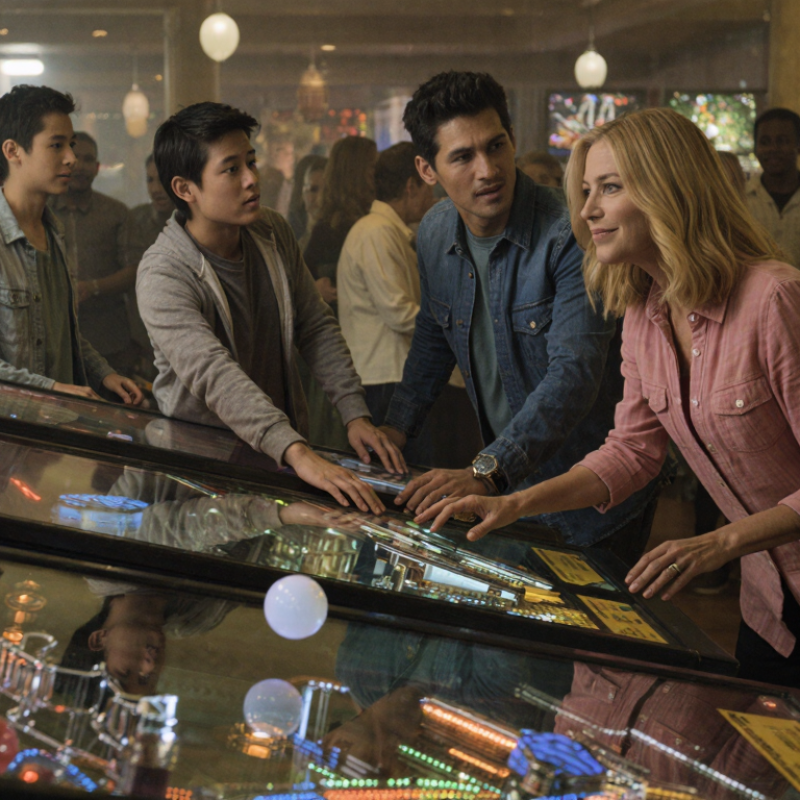
Pinball Machines remain popular because they turn entertainment into a physical, social experience. Players launch a ball, hear the mechanical clatter, and watch lights react within seconds. The rules are visible. The feedback feels immediate. This physical connection is difficult to reproduce on a phone screen.
Industry evidence supports this lasting appeal. The International Flipper Pinball Association’s annual reports show an active competitive community across many countries, supported by tournaments, rankings, and local leagues. Its global calendar demonstrates that pinball is not limited to American arcades. The amusement industry also recognizes replay value as a major business advantage. Reports from the American Amusement Machine Association and the Amusement and Music Operators Association frequently emphasize location-based entertainment, social play, and repeat visits. These factors help explain why machines continue appearing in bars, family entertainment centers, museums, and private collections.
Pinball also benefits from storytelling. A machine can combine film themes, music, artwork, skill, and friendly competition in one cabinet. Players may return to improve one shot, complete one mission, or beat a familiar score. That habit creates emotional attachment. It is not only nostalgia. Younger players can discover the game through modern designs and digital scoring systems.
Still, popularity is difficult to measure precisely. Sales figures, tournament participation, and venue traffic describe different audiences. A widely cited market estimate may include arcade equipment beyond pinball. That weakness deserves attention. Even so, industry reports and everyday player behavior point toward the same conclusion: pinball survives because it feels shared, tactile, and surprisingly personal.
Origins and Global Development of Pinball Machines
Why Are Pinball Machines Popular Worldwide?
Origins and Global Development of Pinball Machines
Pinball began with simple tabletop games inspired by eighteenth-century bagatelle. Players launched a ball across wooden pins and hoped for a lucky rebound. In the 1930s, coin-operated machines introduced lights, scoring, and electrical movement. Mid-century designs added player-controlled flippers, changing the game from chance toward timing and skill.
The machines traveled through arcades, cafés, family venues, and private collections. Each region added its own visual language, from bright city scenes to local myths. Their physical feedback remains powerful: a metal ball strikes a bumper, lights flash, and a sharp bell responds. Digital versions later expanded access, yet many players still prefer real buttons and moving parts. The development was not perfectly linear. I once assumed technology would replace mechanical games, but nostalgia and craftsmanship proved more durable.
Tips: Start with a reliable machine, inspect its wiring, and learn basic cleaning procedures. Keep the playfield dry and avoid forcing stuck mechanisms. A short practice session helps beginners understand ball control. Restorers recommend recording each repair step. That habit prevents avoidable mistakes.
How Pinball Machines Work and Create Interactive Play
Why Are Pinball Machines Popular Worldwide?
How Pinball Machines Work and Create Interactive Play
A pinball machine turns a player’s movement into immediate physical feedback. Pressing a flipper button activates a solenoid, which moves the metal bat within milliseconds. The ball then strikes targets, rolls through ramps, or triggers bumpers. Switches detect each collision and send signals to the control board. Lights, sounds, and changing scores respond instantly. The player can feel the table vibrate under their hands.
This creates a clear interaction loop: aim, act, observe, and adjust. Unlike passive screen play, the ball follows gravity and momentum. Small differences in timing can change the entire result. A player may hear a sharp chime, see a flashing target, and recover the ball with a last-second flipper press. It feels physical. It is also partly unpredictable.
IAAPA’s 2023 Global Economic Impact Report estimated that the worldwide attractions industry generated about 1.2 trillion dollars in economic activity and supported 23.5 million jobs. That figure does not measure pinball alone, which is an important limitation. Still, it shows the scale of interactive entertainment spaces where these machines operate.
Tips: Keep wrists relaxed and watch the ball’s path, not only the score. Use gentle nudges carefully. Excessive movement can trigger the tilt sensor. Beginners often chase every target, but controlled timing usually works better. Even experienced players misread rebounds. That is part of the machine’s appeal.
Why Are Pinball Machines Popular Worldwide?
Pinball combines simple physical controls with immediate visual, sound, and scoring feedback. A typical machine is built around a steel ball measuring about 1.06 inches in diameter, two player-controlled flippers, and a playfield roughly 46 inches long. These consistent features make the game easy to understand while allowing skill, timing, and quick reactions to shape every play.
The Social and Cultural Appeal of Pinball
Why Are Pinball Machines Popular Worldwide?
The Social and Cultural Appeal of Pinball
Pinball remains popular because it turns play into a shared social experience. A machine’s lights, bells, and moving targets attract attention across language barriers. Players often gather around one cabinet, offering advice, jokes, or friendly challenges. The game creates conversation without demanding deep technical knowledge.
Its cultural appeal also comes from physical interaction. Players press buttons, watch the ball, and react within seconds. This direct feedback feels more personal than many screen-based games. Pinball rooms can also preserve local memories, from neighborhood arcades to family entertainment centers. In my experience, strangers often become temporary teammates after one impressive shot.
The appeal is not perfect. Some machines are expensive to maintain, and noisy spaces may discourage quieter visitors. I may also be romanticizing older arcade memories. Still, the balance of skill, chance, design, and community keeps the format meaningful. Every game feels slightly different.
Tips: Watch a full game before playing. Notice how experienced players control the flippers gently. Ask about the rules, but avoid standing too close during play. If you are new, choose a machine with clear targets and a moderate pace. Keep your attempts brief when others are waiting.
Why Pinball Communities Thrive Worldwide
Pinball communities thrive worldwide because the game creates conversation without demanding perfect language. A player can demonstrate a difficult shot, and someone nearby may explain the timing. The machine becomes a shared object, not just private entertainment. I have seen strangers gather around one game, watching the silver ball bounce between lights, targets, and narrow lanes. Small celebrations follow. So do friendly groans.
Local tournaments give regular players a reason to return. They also create useful routines, such as scheduled practice, clear rules, and respectful scoring. Experienced players often teach beginners how to control speed, read angles, and avoid unnecessary risks. This practical guidance helps newcomers improve quickly. However, competition can feel intimidating. Some communities need to work harder on patient instruction and welcoming behavior.
Online groups extend these relationships beyond a physical arcade. Members exchange maintenance advice, event information, and personal strategies. Reliable communities usually value accurate records, transparent rules, and responsible equipment care. They also preserve the social history surrounding older machines through photographs and firsthand stories. That knowledge can disappear when conversations become too focused on winning. I once assumed skill was the main attraction, but belonging may matter more. A missed shot still becomes a shared memory. That is why pinball communities continue to grow across different countries, languages, and generations.
The Role of Technology in Pinball’s Continuing Popularity
Pinball remains popular worldwide because it turns technology into a physical experience. Modern machines use sensors, microcontrollers, precise lighting, and responsive sound. These systems track a ball within milliseconds. Players see immediate results from every shot. The feedback feels physical. A glowing target, a sharp chime, and a moving display create a small story on the playfield. Technology supports the excitement without removing the player’s control.
Software also allows designers to build deeper rules and changing challenges. A machine can measure progress, trigger new tasks, and adjust its visual guidance. Digital screens explain objectives, but they do not replace the need for timing. Skilled players still study angles, rebounds, and ball speed. That combination attracts beginners and experienced players. In public venues, durable components and diagnostic tools help technicians find faults faster. Reliable maintenance matters as much as clever programming.
Still, technology can become distracting. Too many effects may hide the game’s physical rhythm. Some digital features feel impressive once, then repetitive. This is where careful design matters. The best machines leave room for uncertainty, practice, and personal judgment. They use modern tools to sharpen the traditional challenge, not flatten it. I think that balance explains much of pinball’s reach. It is not perfectly solved. That may be part of its charm: every game offers evidence, surprise, and another reason to try again.