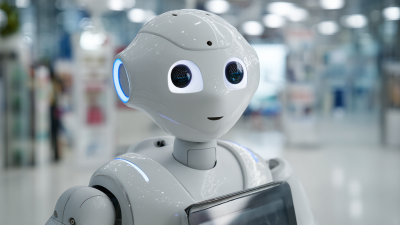
What is a Dispensing Robot and How Does It Work?

In today's fast-paced world, the role of technology in various industries has become increasingly significant. One innovation that has gained traction is the dispensing robot. These machines offer precise and reliable solutions for material handling and distribution. Understanding how a dispensing robot functions is crucial for companies seeking efficiency.

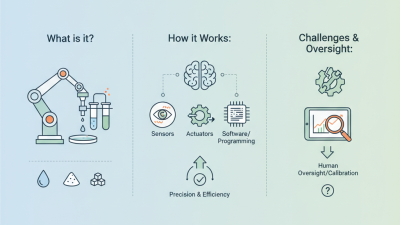
A dispensing robot automates the process of delivering materials, which enhances productivity. It can handle various substances, from liquids to solids, with accuracy. Many industries, including pharmaceuticals and manufacturing, benefit from using these robots. They reduce human error and improve safety.

However, reliance on dispensing robots invites questions. Are these machines always efficient? What happens during malfunctions? While they offer numerous advantages, businesses must also consider the limitations and potential challenges of integrating such technology. A balanced perspective is vital for successful implementation.
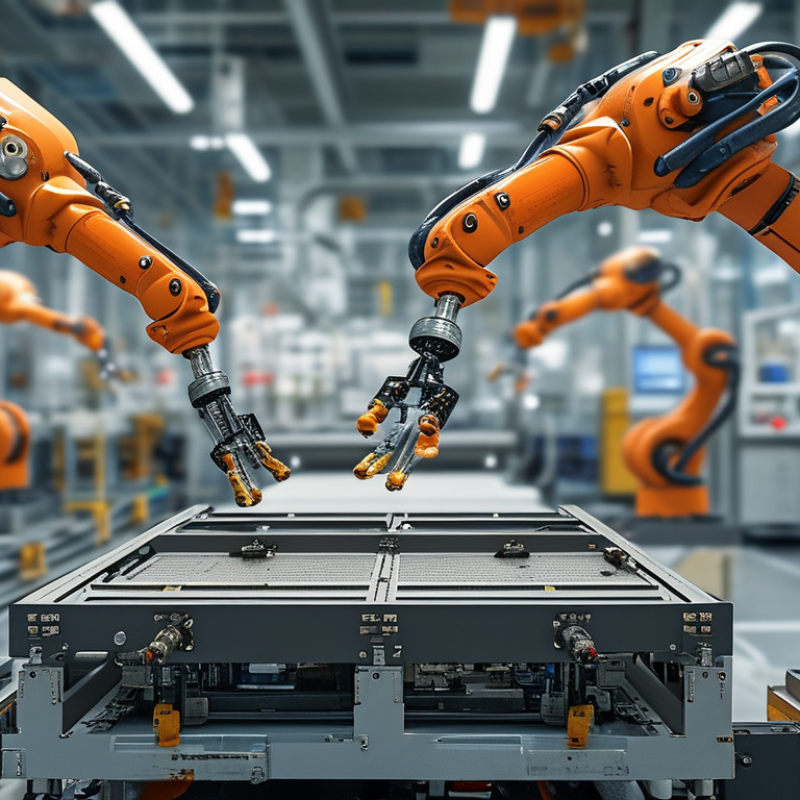
What is a Dispensing Robot and How Does It Work?

What Defines a Dispensing Robot in Modern Automation

Dispensing robots are a significant part of modern automation. They are designed to accurately manage the delivery of materials in various industrial settings. The precision offered by these robots is essential for industries like pharmaceuticals and food production. According to a recent report by MarketsandMarkets, the global market for dispensing robots is projected to reach $5.4 billion by 2026, with a CAGR of 7.5%. This growth underscores the importance of integrating automated solutions to enhance efficiency.

What defines a dispensing robot is its ability to perform repetitive tasks with high accuracy. They can handle multiple materials and products, minimizing human error. A study from the International Federation of Robotics highlighted that over 50% of companies implementing robotics reported increased productivity. However, challenges remain. Not all environments are suitable for these robots. Issues such as system integration and employee training require careful consideration.

Many organizations struggle with the initial setup of dispensing robots. There are high costs involved in both implementation and maintenance. Additionally, some operators may resist technological changes. As businesses continue to innovate, understanding both the benefits and the drawbacks of dispensing robots will be crucial for long-term adoption and success in automation.

Key Components and Materials Used in Dispensing Robotics

Dispensing robots are increasingly integral to various industries, particularly in manufacturing and logistics. The efficiency of these machines is largely attributed to their core components. Key aspects include precision pumps, nozzles, and control systems. Precision pumps control the flow and volume of materials, ensuring seamless delivery under varying operational conditions. Nozzles are specially designed to manage different viscosities and materials without compromise.

The materials used in dispensing robotics vary considerably. Common materials include plastics for lightweight applications and metals for added durability. Some reports indicate that the global dispensing robots market is expected to grow significantly, driven by advancements in these materials. For instance, specialized polymers are now available to enhance resistance to chemicals and abrasion. Beyond this, the integration of advanced sensors can improve accuracy. However, challenges remain, especially regarding the calibration of these systems. Inconsistent material properties can lead to variability in dispensing, prompting the need for continuous monitoring and adjustment.

It's crucial to acknowledge that while the technology is advancing, there are hurdles in achieving perfect reliability. Data shows that around 30% of dispensing applications report some level of inconsistency. These reflections highlight the need for ongoing improvements. Automation may enhance efficiency, but achieving perfection remains a work in progress.

Dispensing Robot Material Usage by Percentage

The Mechanisms of Operation in Dispensing Robots Explained

Dispensing robots are innovative machines designed to automate the process of dispensing materials in various industries. These robots use precise mechanisms like servo motors and pneumatic systems to control the flow of substances. They can handle liquids, solids, and even powders with remarkable accuracy, ensuring consistent quality. The integration of sensors enables real-time monitoring, enhancing their reliability in production settings.

The operation of dispensing robots involves multiple steps. First, the robot identifies the required amount of material through advanced algorithms. Then, it accurately positions itself above the target area. With the help of actuators, it dispenses the material seamlessly. This process reduces human error and increases efficiency. However, setting up these robots requires careful calibration. Mistakes in calibration could lead to over- or under-dispensing, affecting production quality.

While dispensing robots are powerful tools, they come with challenges. Maintenance is crucial to ensure optimal performance. Regular checks on sensors and motors help avoid costly downtime. Also, operators need training to troubleshoot issues. This continuous learning process highlights the importance of understanding the machinery for smoother operations. The technology evolves, but refining skills and knowledge remains essential for long-term success.

Applications and Industries Benefiting from Dispensing Robots

Dispensing robots are transforming various industries by automating the process of dispensing substances. A common application is in pharmaceuticals, where precision is essential. These robots can accurately dispense medications, reducing human error and improving patient safety. Their programmed accuracy enhances efficiency in high-demand environments like hospitals and pharmacies.

Manufacturing also benefits greatly from dispensing robots. They are used to apply adhesives in assembly lines. This ensures consistent application and reduces waste. The automotive sector, for instance, relies on them to bond parts seamlessly, contributing to build quality.

In food production, dispensing robots ensure that ingredients are divided accurately, maintaining quality control. Their ability to work 24/7 with minimal supervision poses advantages, but some challenges remain. For example, programming these robots can involve complexities that require ongoing adjustments and maintenance. Organizations must balance automation benefits with these learning curves.

What is a Dispensing Robot and How Does It Work? - Applications and Industries Benefiting from Dispensing Robots

Application Industry Functionality Benefits
Adhesive Dispensing Manufacturing Precise application of adhesives for bonding Increased accuracy, reduced waste
Pasta Sauce Portioning Food Processing Automated portion control for uniform distribution Consistency in product quality
Pharmaceutical Filling Pharmaceuticals Filling vials with liquid medications Speed, precision, and compliance with regulations
Coating Application Electronics Applying protective coatings on circuit boards Enhanced durability and product lifespan
Sealant Dispensing Construction Applying sealants in building construction Improved efficiency and reduced manual labor

Future Trends and Innovations in Dispensing Robot Technology

The future of dispensing robot technology is poised for remarkable advancements. According to a recent market analysis, the global dispensing robot market is expected to reach USD 3.2 billion by 2027, growing at a CAGR of 12.3%. This growth is driven by the increasing demand for automation in manufacturing and healthcare sectors. Businesses are investing heavily in these robots to improve efficiency and reduce costs.

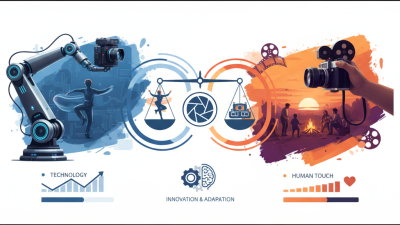
Innovations in AI and machine learning are transforming how dispensing robots operate. These technologies allow robots to learn from their environment and optimize their dispensing processes. Enhanced accuracy and reduced waste are significant benefits. However, integrating these systems can be complex and may result in operational challenges. Organizations must find the right balance between automation and human oversight.

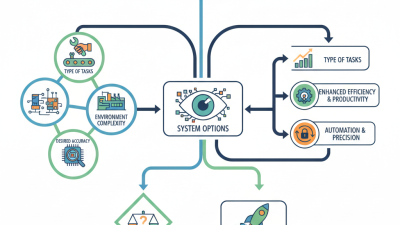
Experiment with different configurations to get the best results. Assess how well the robot adapts to varying workloads. Continuous monitoring can offer insights into performance bottlenecks. This holistic approach ensures the technology meets evolving business needs and maximizes return on investment. Remember, while technology offers solutions, human intervention is sometimes necessary to address unforeseen issues.

SERVO-ROBOT Inc
Privacy Overview

This website uses cookies so that we can provide you with the best user experience possible. Cookie information is stored in your browser and performs functions such as recognising you when you return to our website and helping our team to understand which sections of the website you find most interesting and useful.