Top 10 Laser Robot Manufacturers for Global Buyers
Choosing a laser robot is not simply a matter of comparing power ratings or cycle-time claims. Global buyers must also assess motion accuracy, beam delivery, safety integration, service access, and support near the production site. A polished demonstration can look impressive. The harder test is a stable process across repeated shifts, changing materials, and real factory conditions.
Robotics researcher Rodney Brooks wrote, “The world is its own best model.” That principle fits this market: specifications matter, but performance must be judged in the production environment. A useful evaluation includes sample-part trials, documented process limits, integration requirements, and realistic maintenance plans. Ask how the supplier handles calibration drift, replacement parts, and operator training. Small details matter.
This guide compares ten laser robot manufacturers for global buyers, focusing on their capabilities, application fit, and practical considerations. It is intended as a starting point, not a universal ranking. A supplier suited to high-volume automotive welding may not fit a compact cell for precision cutting. Nor does a long feature list guarantee an easy installation. Some comparisons remain imperfect because public data can vary in depth and detail. Buyers should verify current specifications directly, request application-specific trials, and confirm local service coverage before making a decision. The right choice is the system that performs reliably on your parts, in your facility, with support you can actually reach.
Understanding Laser Robots and Their Industrial Applications
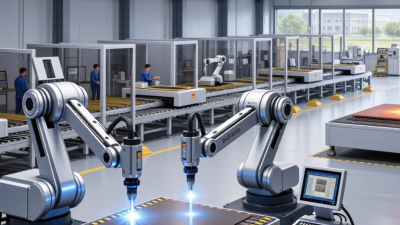
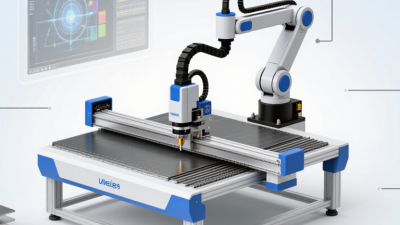
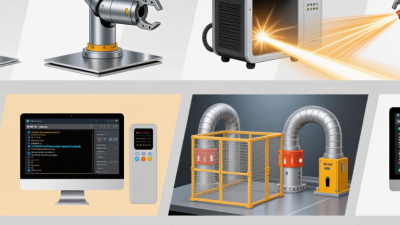
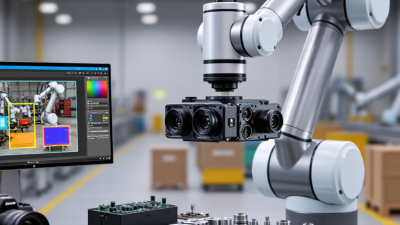
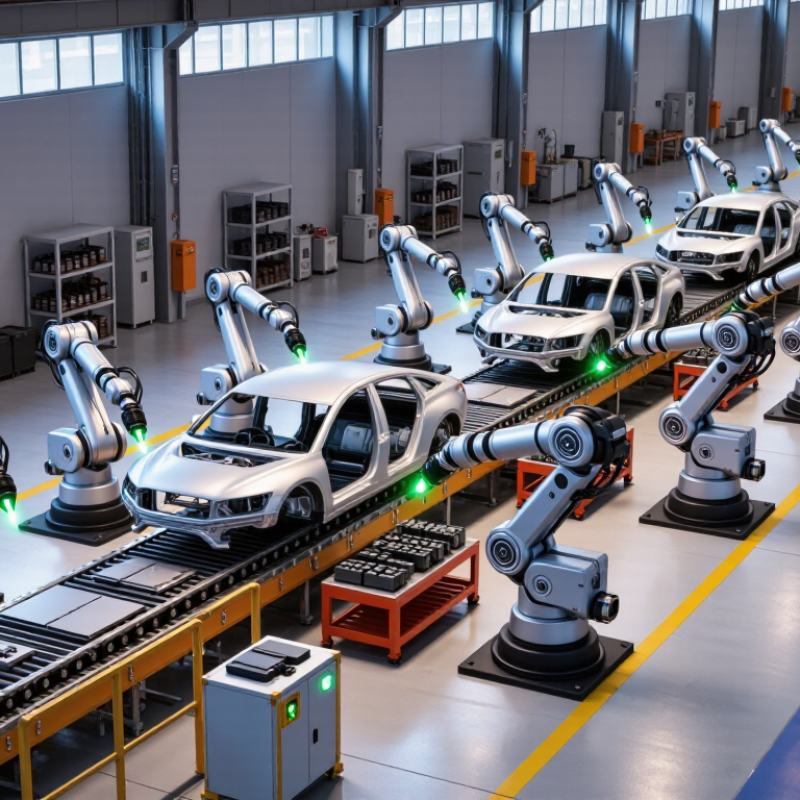
Laser robots combine a multi-axis arm with a laser head to process parts along programmed paths. They are used for cutting, welding, cladding, surface cleaning, and marking. The robot can reach angled edges and curved surfaces that are awkward for many fixed machines. A typical cell includes an arm, laser source, part fixture, protective enclosure, and fume extraction.
In production, the robot follows a digital path while sensors or vision systems help locate the workpiece. For example, a sheet-metal component can be held in a fixture as the laser traces a seam with consistent speed and focus. Results still depend on setup. A slightly loose fixture or a poorly calibrated tool can shift the beam and spoil a clean joint. Repeatability is valuable, but it does not correct every upstream problem.
Material thickness, surface condition, and required finish all affect process settings. Operators need suitable training, routine maintenance, and safeguards that contain laser energy and remove process fumes. The details matter. A robot may handle many part shapes, yet frequent changeovers can reduce its practical advantage. Buyers should compare application trials and cycle-time evidence, not just reach or advertised power. Some projects also need more manual adjustment than expected; that is worth acknowledging before installation.
How to Evaluate Laser Robot Manufacturers for Global Buyers
Choosing among the top 10 laser robot manufacturers starts with the process, not the brochure. Define the material, thickness, joint geometry, and required cycle time. Then ask manufacturers to run your actual sample parts. Examine cut edges or weld seams under consistent lighting, and request repeatability results across multiple runs. One impressive sample proves little.
Scale matters, but it is not a substitute for process expertise. The International Federation of Robotics reported 541,302 industrial robot installations worldwide in 2023, in its World Robotics 2024 report. That figure describes industrial robots broadly, not laser systems specifically. Use it as context for a mature, competitive automation market—not as evidence that any supplier excels at laser applications. Ask how the manufacturer controls beam delivery, calibration drift, fume extraction, and safe cell access. Get clear answers.
Check the full support chain: integration, operator training, spare-parts availability, and response times in your region. Request references from sites with similar materials and production volumes. Review acceptance-test criteria before signing, including uptime measurement and responsibility for failed trials. A polished demonstration can hide awkward maintenance. And a short trial may miss issues that appear after weeks of production. Evaluate the evidence, not just the presentation.
Profiles of Ten Leading Laser Robot Manufacturers
Profiles of ten leading laser robot manufacturers should compare engineering strengths, not just catalogue size. The International Federation of Robotics reported 541,302 industrial robot installations worldwide in 2023, with an operating stock of about 4.28 million. These figures show the scale of industrial automation, but they do not measure laser-robot sales specifically. Buyers should assess each supplier’s laser-process experience, motion accuracy, safety integration, and service coverage.
A useful profile set includes manufacturers focused on cutting, welding, cladding, and precision processing, alongside those known for large payloads, compact cells, or flexible programming. Check whether the supplier can demonstrate a stable seam or cut on your actual material. Ask for cycle-time data, maintenance intervals, and sample results under comparable conditions. A polished demonstration is helpful. It is not enough. I would also record integration limits; those are easy to overlook during procurement.
Tips: Bring a representative workpiece. Confirm fixture access, extraction needs, and calibration procedures before comparing quotes. Small details matter. A technically capable system may still be a poor fit if local support is slow or operator training is thin.
Laser Wavelengths Used in Robotic Manufacturing
The chart compares representative wavelengths commonly used in industrial laser systems that can be integrated with robots. Values are shown in micrometers; actual wavelengths vary by source and configuration. Wavelength is one factor influencing how a laser interacts with different materials.
Comparing Technologies, Services, and Global Market Reach
Comparing laser-robot manufacturers means examining the complete cell, not just the robot arm. Buyers should check laser-source compatibility, path accuracy, seam tracking, and how quickly operators can adjust programs. A tight weld around a curved steel part tests more than headline speed. It tests calibration, fixturing, and process stability. Small details matter.
Service reach is equally practical. Ask how quickly a technician can arrive, whether spare parts are stocked regionally, and what remote support actually covers. The International Federation of Robotics’ World Robotics 2024 report recorded 541,302 industrial robot installations worldwide in 2023, with 4.28 million units in operation. These figures cover industrial robots broadly, not laser systems alone, but they show why supplier support across major manufacturing regions matters. A low purchase price can lose its appeal when a replacement component must cross an ocean. That risk is easy to underestimate.
Technical comparisons should include commissioning, operator training, safety integration, and documented acceptance tests. Request sample weld or cut results using your own material and geometry, then compare cycle time and defect rates. Reports and demonstrations help, but neither fully predicts performance on a factory floor. Even a strong supplier may leave gaps in local service coverage; buyers should verify those promises with specific response times and named support locations.
Key Factors in Selecting a Laser Robot Supplier
A laser robot supplier should be assessed on the complete cell, not just the arm. Check whether its motion system matches your process: cutting, welding, or surface treatment each demands different speed, path accuracy, and laser control. Ask for measured repeatability under your intended payload and working distance. A polished demo is not production evidence. Request sample parts, cycle-time data, and details about calibration intervals.
The International Federation of Robotics’ World Robotics 2024 report records 541,302 industrial robot installations in 2023 and an operating stock of 4,281,585 units worldwide. These figures show a mature, expanding automation base, but they do not prove a supplier’s laser-system performance. Verify the laser source’s compatibility, protective optics, fume extraction, enclosure design, and safety interlocks. Also examine training, spare-part availability, and response times for service. A perfect specification sheet can still hide a difficult handover.
Tips: Bring a representative workpiece and define acceptance criteria before requesting a trial. Ask the supplier to record edge quality, heat effects, cycle time, and downtime across repeated runs. Numbers matter. Test it. If the trial uses ideal conditions unlike your shop floor, treat the results cautiously.